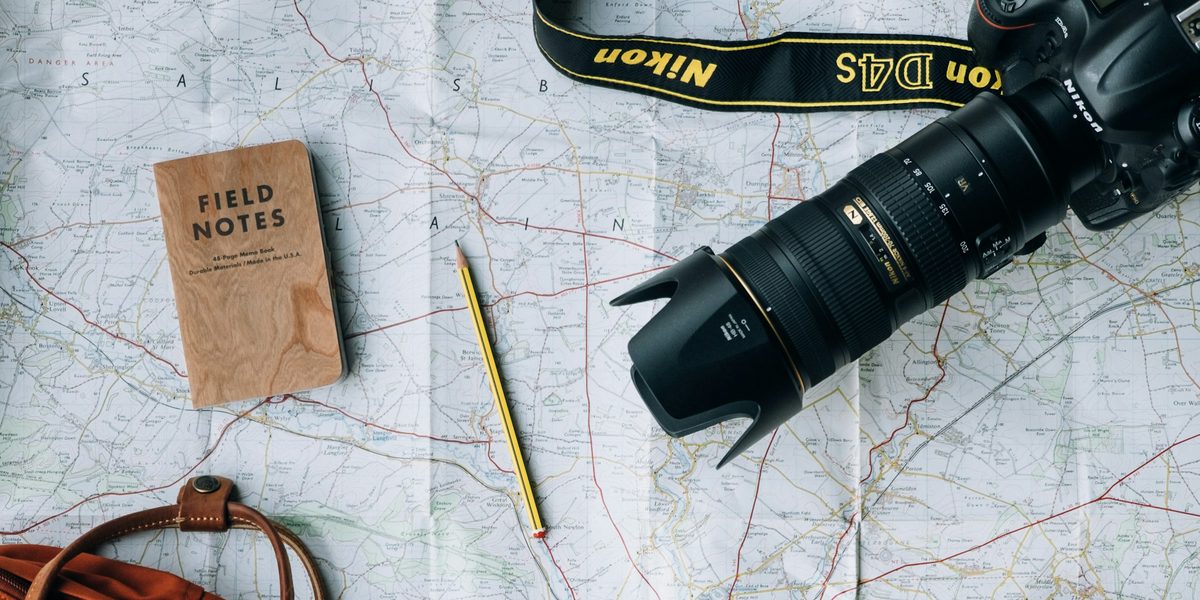
What to Pack for South Sudan
Complete packing checklist tailored to South Sudan's climate and culture
Climate Overview for South Sudan
South Sudan experiences a temperate climate marked by distinct wet and dry seasons. Travelers will feel the humid air cling to their skin during the rains and the dry, dusty breezes of the dry season. The landscape transforms from lush green to golden brown. Pack smart. You need garments that dry quickly after a sudden downpour, layers for cooler evenings, and sturdy footwear for unpaved paths that can become muddy channels. The sun is strong. Protection from its glare is constant. Packing for South Sudan is less about fashion and more about practical adaptation to the rhythms of its environment.
Clothing & Footwear

The streets and paths in South Sudan are often unpaved, uneven, and can be rutted. You will walk on packed earth that turns to slick mud. These shoes provide the necessary grip and ankle support for navigating Juba's markets or the trails near the White Nile. Your feet stay protected from the rough ground and the hot sun beating down on the earth.

The humidity in South Sudan, during the rainy season, means sweat does not evaporate quickly. Laundry facilities are basic, often involving hand-washing. Quick-dry fabric is essential. You can wash a pair in the evening and feel the slightly stiff, clean fabric against your skin by morning. It's a small comfort in the damp air.

Internal flights within South Sudan on small aircraft have strict weight limits. These cubes help maximize your luggage allowance, compressing lightweight cotton shirts and trousers to create space for other essentials. They also keep red laterite dust, which gets everywhere, from coating all your belongings at once.

A foldable pack is good for South Sudan's daily rhythm. Carry it collapsed in your main bag. Deploy it for a trip to the busy Juba Market, where you might smell charcoal smoke from roadside grills and hear the calls of vendors. It's handy for carrying water, a camera, and any locally purchased crafts without being cumbersome.
Electronics & Gadgets

Power outlets in South Sudan are a mix of British-style three-prong and European two-prong types, often found in the same room. This single adapter ensures you can plug in your devices at a hotel in Juba without searching for a converter. It is a small key to maintaining a connection in a place where reliable power is a valued commodity.

Power cuts are a regular feature of life in South Sudan. This power bank is your lifeline, ensuring your phone stays charged for navigation, communication, and photography during long days away from hotel generators. A warm soda from a market stall tastes better when you know you can still call your driver.
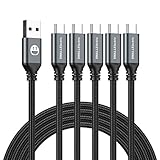
Cables fray and fail, and finding a quality replacement in South Sudan is difficult. The braided design resists the wear of being stuffed into dusty bags. Having multiple cables means you can charge your power bank, phone, and perhaps a camera simultaneously during a brief window of electricity.
Hotel rooms in South Sudan frequently have only one or two functioning outlets. This strip allows you to charge all your devices from a single point, which is important when the generator is on. It also offers some protection against voltage spikes that can occur on the local grid.
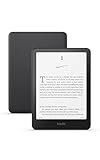
Evenings in South Sudan can be quiet after dark. The Paperwhite's glare-free screen is easy on the eyes under a single bulb or by flashlight, good for reading during power outages or on long waits. It holds an entire library without adding weight. It's a welcome escape into other worlds.
Toiletries & Health

Medical facilities outside Juba are extremely limited. A complete first aid kit lets you treat minor cuts, scrapes from thorn bushes, blisters from hot walks, and stomach issues immediately. A clean bandage on a scraped knee is a small but important piece of self-reliance in the South Sudanese bush.

Liquid toiletries can leak in your bag under the hot South Sudanese sun, creating a messy situation. Solid bars do not spill, last longer, and avoid plastic bottles. The scent of a coconut oil conditioner bar is a pleasant personal note amid the complex smells of earth, woodsmoke, and diesel.

For any regular medication, this organizer is non-negotiable for South Sudan. It provides a clear, fail-safe system to manage your health in an environment where pharmacies may not stock what you need. The click of the daily compartment is a sound of routine and control in an unpredictable setting.
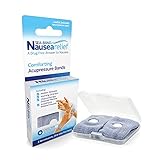
Road travel in South Sudan often involves long journeys on rough, winding dirt tracks. These acupressure bands can provide drug-free relief from the constant jolting and swaying, making the experience of watching the vast, flat landscape roll by from a vehicle window more comfortable.
Documents & Security

Your passport and visa are your most critical documents for South Sudan. This holder keeps them physically protected from the fine dust that infiltrates everything and offers security for the digital chips. The feel of genuine leather is a tactile reminder to keep these papers safe at all times.

While violent crime is not the primary concern for most visitors to South Sudan, petty theft can occur in crowded areas. This belt allows you to keep the bulk of your cash, cards, and a copy of your passport secure and separate from your daypack as you navigate busy markets in Juba.

These locks secure your checked luggage during transit and while stored at accommodations. They provide a basic deterrent and peace of mind, ensuring your bags containing supplies for South Sudan remain closed during the multiple handlings they will experience on your journey.
Comfort & Convenience

Accommodation in South Sudan may have thin curtains, and security lights or generator lamps can shine brightly through the night. A total blackout mask helps ensure restful sleep despite the unfamiliar sounds of the African night. Listen to the chorus of insects and distant generators outside your window.

Juba wakes early. The call to prayer drifts over rooftops. Generators hum through midnight. Music pulses from nearby compounds. Earplugs give you control. Soft silicone molds to your ear, blocking chaos. Sleep follows.
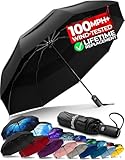
Rain hits hard. South Sudan's wet season delivers sudden, intense downpours. A windproof umbrella beats a poncho hands down. It shelters you instantly from warm, pelting rain that floods streets within minutes. The humid aftermath makes breathability essential.

Markets reward spontaneity. A foldable bag carries ripe mangoes, handwoven baskets, whatever catches your eye. It cuts plastic waste. Tuck it away. Pull it out when vegetable piles turn colorful or bakery stalls smell of fresh bread.
Outdoor & Hiking Gear

Skip the tap. South Sudan's water needs treatment. Bottled works in cities. Remote zones like Boma National Park demand more. Pack a filter. Drink straight from clear streams after long, hot hikes through savannah grasslands. Taste the difference.
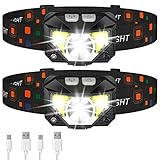
Lights go out. Often. A headlamp keeps hands free for mosquito nets, bedtime reading, latrine trips under brilliant star fields. Red light mode saves night vision. Fewer bugs swarm your face.

Remote travel demands basics. A whistle carries across flat terrain. A compass orients you where landmarks shrink to termite mounds and acacia silhouettes. Pack both. Simple insurance.
Seasonal Packing Adjustments
What to add or skip depending on when you visit
Dry Season
November, December, January, February, March
Add: Lip balm, High-SPF sunscreen, A light scarf or shemagh for dust
Shop Dry Season essentials →Skip: Heavy rain jacket
The air bites back. Dry dust coats skin. Laterite powder coats tongues. Prioritize three things. Sun block. Water bottles. Dust masks for gusty days on unpaved roads.
Rainy Season
April, May, June, July, August, September, October
Add: Quick-dry trousers, Sturdy waterproof sandals, Mosquito repellent with DEET
Shop Rainy Season essentials →Storms pass fast. Thunder roars on tin. Roads become rivers. Humidity suffocates. Pack quick-dry fabrics. Invest in solid waterproofing. Step up malaria prevention. Mosquitoes multiply.
Luggage Recommendation
Pick your luggage carefully. Soft-sided suitcases resist dust. Rugged backpacks survive. Hard shells fail on rough, unpaved roads. Aim for 60-70 liters. Add a solid daypack. Expect roof racks. Expect Land Cruiser cargo holds. That is standard here. Keep it light. Internal flights cap bags at 15kg, sometimes less.
Shop Carry-On Luggage on AmazonPro Packing Tips
Practical advice from experienced travelers
Don't Pack
- Leave jewelry home. Flashy watches too. South Sudan notices. Unwanted attention follows.
- Ditch hardcovers. Weight adds up. E-readers win.
- Skip bulk water buys. Local shops sell 1.5L bottles cheaper. Find them at Juba Market. Grab from hotel kiosks on arrival. Support vendors. Lighten your load.
- Forget formal bulk. Short stays rarely need it. Modest, smart-casual covers you.
- DSLR kits burden. Heat and dust punish them. Unless you shoot professionally, reconsider. Conspicuous. Cumbersome.
- Tents gather dust. Sleeping bags too. Tourists use guesthouses and lodges. Dead weight.
Buy Locally
- Get connected. Buy MTN or Zain at Juba International Airport kiosks or downtown shops. Data costs little. Communication matters.
- Eat local. Mangoes drip juice. Pineapples perfume the air. Roasted peanuts crunch. Market vendors in Juba sell all three. Taste the country.
- Spend wisely. Woven baskets, carved wood, beaded jewelry. Juba Market stocks them. Craft cooperatives too. Money reaches makers.
- Hydrate locally. Small shops sell bottled water and soft drinks for less than import costs. Your shoulders thank you. South Sudan arrival feels lighter.
Packing Hacks
- Roll clothes instead of folding to save space
- Pack shoes in shower caps to protect clothes
- Use packing cubes to stay organized
- Keep essentials in your carry-on
Continue Planning Your Trip
More guides to help you prepare
Ready to plan your trip to South Sudan?
Now that you've got the research covered, here's where to go next.