Things to Do in South Sudan in February
February weather, activities, events & insider tips
Low Season · Budget Friendly
February Weather in South Sudan
Long-run averages for February in Juba
100°F (37°C)
High Temp
71°F (21°C)
Low Temp
0.4 inches (10 mm)
Rainfall
27%
Humidity
12
Sunny-Day UV
⚠ Expect extreme heat with afternoon temperatures consistently reaching 37°C (100°F) or higher. Heat exhaustion and heatstroke pose genuine risks for unacclimatized visitors, during physical activity between 10 AM and 4 PM. Hydration discipline is mandatory.
⚠ The UV index hits 12 on clear days, the maximum on the standard scale. Unprotected skin burns in under 15 minutes at midday. Eye protection with UV-rated lenses is strongly recommended.
⚠ Dust storms and reduced visibility strike on windy February days, along unpaved roads outside Juba. Fine laterite particulate aggravates respiratory conditions and makes contact lenses uncomfortable. A dust mask or bandana is essential for overland travel.
⚠ Standing water from the last wet season keeps mosquitoes breeding around Juba, dry season or not. Malaria risk stays high year-round. Take antimalarial prophylaxis. Apply DEET repellent from dusk onward. Pack it. The disease is real here.
Making the most of February in South Sudan? Browse tours and activities in South Sudan on GetYourGuide.
Is February Right for You?
Weigh the advantages and considerations before booking
Advantages
- + February sits deep in the dry season. Roads between Juba and the national parks hit peak passability now. Laterite tracks that dissolve into axle-deep mud from May through November harden enough for a 4x4 to knock out the 320 km (199 miles) to Nimule in one brutal day instead of two or three. This is your window. For overland travel, February offers the only reliable road access you will get.
- + Wildlife packs tight around shrinking water sources during dry months. February lands right in that squeeze. White-eared kob, tiang antelope, and Mongalla gazelle, the species driving the Boma-Badingilo migration of roughly six million animals, cluster near whatever floodplain pools remain. Birdlife along the Nile corridor between Juba and Bor peaks hard. Wading species crowd exposed mudflats in numbers that stop you mid-sentence.
- + Humidity at 27% makes Juba's heat workable. Same temperatures in wet season, when humidity pushes past 70%, feel brutal. Evenings drop to around 21°C (71°F). By South Sudanese standards, that is pleasant. The air dries out enough that sitting outside after sunset with a cold Stoney Tangawizi ginger beer feels comfortable. Wet season punishes you for trying this.
- + February draws almost zero international visitors outside aid workers and journalists. The limited cultural experiences available, cattle camp visits with the Mundari along the Nile north of Juba, Konyo Konyo Market's tarp-shaded corridors, hit unfiltered and personal. No tourist infrastructure buffers you from the place. This either pulls you in or sends you packing. Depends on your travel style.
Considerations
- − South Sudan carries a Level 4 Do Not Travel advisory from the US State Department. Australia, the UK, and Canada issued equivalent warnings as of 2026. The risks are concrete. Armed violence, carjacking, and kidnapping happen in Juba and intensify outside the capital. US Embassy staff live under curfew using armored vehicles. Medical evacuation insurance is not optional. It is essential. Emergency medical care inside the country essentially does not exist. This is not a destination for weighing pros and cons. You either know why you are going, or you should not go.
- − Juba's average high of 37°C (100°F) in February punishes. Most afternoons hit that mark under unrelenting equatorial sun. The UV index reaches 12 on clear days. That is the scale's ceiling. Outdoor activity works only before 10 AM or after 4 PM. Midday belongs to shade, concrete-walled restaurants, and waiting.
- − Infrastructure outside Juba is essentially absent for independent travelers. No commercial lodges exist at Boma or Badingilo National Parks. No fuel stations sit between towns. No roadside assistance comes. Phone signal dies within 30 km (19 miles) of any population center. Reaching the national parks demands a fully self-sufficient expedition. You need two vehicles minimum, recovery equipment, satellite communications, and local security guidance. February's dry roads are passable. They are not comfortable.
Short on time in February? See day trips around South Sudan on GetYourGuide.
Best Activities in February
Top things to do during your visit
Mundari Cattle Camp Visits North of Juba
The Mundari pastoralists run cattle camps along the White Nile banks between Juba and Terekeka, roughly 75 km (47 miles) north of the capital. February's dry heat pushes camp activity to its peak. Herders burn dried dung in early morning to drive insects off the long-horned Ankole-Watusi cattle. Smoke rises in pale columns against flat savanna light. The scene looks centuries old. Ash and warm cattle hide carry across the floodplain. Visiting requires a local guide with ties to the specific camp. Bring gifts, typically tobacco or salt. Go at dawn. Light turns golden then. Herders wash cattle in river shallows, coating animals and themselves in pale ash. The interaction is real but transactional. These are workers, not performers. Your presence is tolerated because your guide negotiated it. Camps move with water and grazing. Locations shift weekly.
Booking Tip: Arrange through a Juba-based fixer or cultural guide with solid Mundari contacts at least two weeks ahead. Do not try finding a cattle camp alone. Licensed operators who know the security corridor between Juba and Terekeka are your safest bet. See current options in the booking section below.
White Nile Boat Excursions from Juba
The White Nile through Juba runs wide, brown, and deceptively calm in February. Water levels drop to dry-season minimums, exposing sandy banks where fish eagles perch and monitor lizards bake. Motorized wooden boats run upstream from the Juba Bridge area toward marshlands south of Bor. Even a half-day trip drops you into landscape that feels erased from the city's diesel-and-dust chaos. The river smells of warm mud and aquatic vegetation. Sound collapses to engine noise, birdsong, and occasional splashes of Nile perch breaking surface. Hippo pods frequent wider stretches, though they avoid engine noise. The real draw is birdlife. African fish eagles, saddle-billed storks, and malachite kingfishers show clearly without binoculars at the river's dry-season width.
Booking Tip: Boats arrange informally through Juba-based operators or your accommodation's fixer network. Confirm life jackets and functioning engine before stepping aboard. Morning departures catch cooler air and stronger bird activity. Book through established local operators at least a week ahead. Confirm the route's current security status before leaving.
Konyo Konyo Market Cultural Immersion in Juba
Konyo Konyo anchors Juba. Nothing else comes close. Blue and white tarps trap heat and amplify noise across hundreds of vendors. Silver-scaled pyramids of dried Nile perch gleam beside sacks of sorghum flour that dust everything within reach. Karkade hibiscus petals dry to deep crimson. Tamarind pods split open, sticky brown pulp exposed. The smell layers: smoked fish, ground peanuts, diesel from generators powering phone-charging stations, sharp green scent of fresh okra. February's low humidity keeps spoilage smells down. Wet season visits suffer worse. The market is loud. Crowded with locals. Not set up for tourism. That is exactly why you go. Morning visits work best. Vendors arrange stock then. Temperature stays merely hot, not brutal.
Booking Tip: No booking required. Bring a local companion. They know the layout. They navigate the Juba Arabic that dominates transactions. Keep valuables concealed. Skip photos of military personnel or checkpoints near the perimeter. Two hours in the morning suffices.
Nimule National Park Wildlife and Border Landscape
Nimule marks South Sudan's southern tip where the White Nile enters from Uganda. At 410 km (255 miles) from Juba, it is the most accessible national park by road during dry season. February's hardened laterite makes the drive possible in a long day. The park covers roughly 410 sq km (158 sq miles) of savanna woodland along the Nile. Proximity to the Ugandan border means more conservation attention than remoter parks receive. Hippos stay reliable in river stretches. Uganda kob, waterbuck, and hartebeest graze open areas near the Fola Rapids, where the Nile drops through rocky cascades loud enough to hear from 500 m (1,640 ft) away. The rapids alone justify the trip. White water crashes over dark volcanic rock. Mist catches equatorial light. Birding stays strong along riverine forest edges. Grey crowned cranes, Goliath herons, and African jacanas show from vehicle tracks.
Booking Tip: Bring a fully equipped 4x4 expedition. Two vehicles minimum. Your driver must know the Juba-Nimule road's current condition. Arrange through a Juba-based expedition operator with security clearance. Allow two days minimum. Three if you want meaningful time in the park. Camping is self-sufficient. Carry all supplies from Juba.
Juba Food Trail: Nile Perch, Kisra, and Shai
South Sudanese cooking rests on sorghum, river fish, and slow-cooked stews. February's dry heat helps. Grilled Nile perch at roadside fish spots near Custom Market chars better when humidity stays low. Skin crisps to crackling over wood-ember heat. Flesh stays moist and flaky underneath. Kisra, the fermented sorghum flatbread that is national staple, arrives thin and slightly sour. Tear it by hand. Use it to scoop bamia, a viscous okra stew slick with peanut butter and seasoned with dried fish powder. Fermentation gives kisra tang that cuts through the stew's richness. Breakfast means ful medames, slow-simmered fava beans mashed with sesame oil, cumin, and fresh chili. Eat with flatbread. Wash down with shai, the sweet milky tea South Sudan inherited from its years connected to Khartoum. Brew it strong. Sweeten heavily. Serve in small glasses hot enough to burn your fingertips.
Booking Tip: No formal food tours exist. Eat where aid workers and local professionals eat. Look around Tongping and Custom Market in Juba. Ask your accommodation or fixer for current recommendations. Stick to freshly cooked food served hot. Skip raw salads and tap water. Carry oral rehydration salts. The heat demands it. So does the adjustment period.
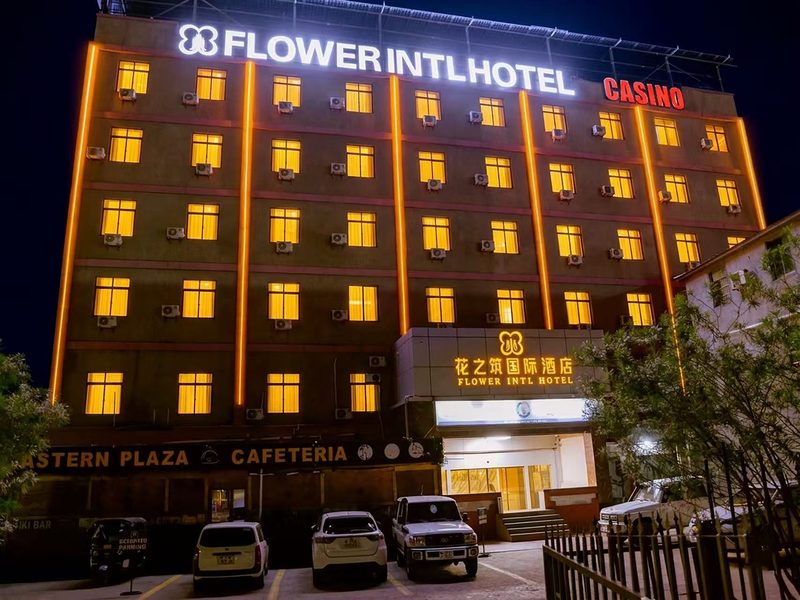
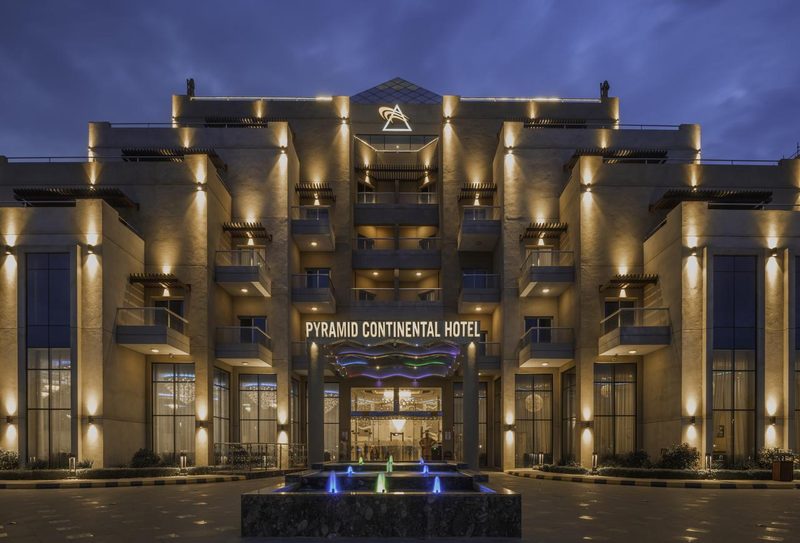
Where to Stay in South Sudan in February
Hand-picked hotels across price tiers for February travellers.
Packing Checklist
Bookmark this page — your progress is saved between visits
Need the full list with shopping links?
Climate-specific gear, brand recommendations, and what to leave at home.
View South Sudan Packing List →Essential Tips
Insider knowledge and common pitfalls to avoid
Insider Knowledge
The hours between 6 AM and 9 AM are when Juba becomes livable. The air still carries overnight cool, markets set up with fresh stock, and the light holds a soft golden quality that vanishes by midafternoon into white glare. Every experienced resident plans outdoor errands, exercise, market visits, and photography around this window. By 10 AM, head indoors or into a vehicle. By noon, streets radiate heat upward through your shoes.
Juba Arabic, not English, is the lingua franca of daily commerce. A handful of phrases, salaam alaikum, kweis (good), kam (how much), shukran, will transform your interactions completely. Vendors at Konyo Konyo and taxi drivers respond to broken Juba Arabic with warmth that English cannot unlock. The dialect differs from Khartoum Arabic, with simpler grammar, and locals appreciate effort over perfect accent.
Yellow fever vaccination is required for entry, not merely recommended, and immigration officers at Juba International Airport check the physical yellow card. Carry it with your passport, never in your luggage. Malaria prophylaxis is non-negotiable. Juba sits in a high-transmission zone year-round, and February's residual standing water from the previous wet season keeps mosquito populations active despite dry air. Doxycycline or atovaquone-proguanil are standard choices. Start before arrival.
South Sudan's mobile networks, MTN and Zain, sell SIM cards at Juba Airport arrivals. Top up credit through scratch cards at any roadside kiosk. Mobile money via M-Gurush works for small transactions in the capital. Coverage evaporates outside the Juba-Nimule corridor, so download offline maps and confirm satellite phone availability with your expedition operator before heading to any national park. Internet speeds in Juba range from painful to nonexistent. Upload photos at your hotel in the evening. Forget video calls.
Avoid These Mistakes
Never underestimate the heat because humidity reads low. At 27% humidity, 37°C (100°F) feels less oppressive than tropical heat, so travelers push through midday thinking they are fine. They are not. Dehydration and heat exhaustion strike faster than expected when sweat evaporates this quickly, because your body loses its early warning signal of feeling drenched. Drink water constantly, at least 4 liters (1 gallon) daily. Treat headache or dizziness as an emergency.
Never photograph without permission. South Sudan's government requires authorization from the Ministry of Information before taking any photographs or video in public spaces, and this rule is enforced unpredictably at checkpoints and by soldiers on the street. Pointing a camera at military personnel, government buildings, bridges, or the airport can lead to detention and equipment confiscation. Always ask before photographing people. Keep the camera down near anything official.
Never assume Juba's relative calm extends beyond the capital. Conditions have improved since the worst civil war years. But intercommunal violence, cattle raids, and armed group activity persist in Jonglei, Upper Nile, and Unity states. Travel outside the Juba-Nimule road corridor demands current security intelligence from organizations like UNMISS or OCHA, not a two-week-old guidebook entry. Conditions shift between Tuesday and Thursday, not between editions.
Ready to plan your trip to South Sudan?
Now that you've got the research covered, here's where to go next.
Explore More Activities in South Sudan
Didn't see anything interesting yet?
Browse Viator's full catalog of tours, day trips, food experiences, and private guides in South Sudan.
See All South Sudan Tours on Viator