Things to Do in South Sudan in January
January weather, activities, events & insider tips
Low Season · Budget Friendly
January Weather in South Sudan
Long-run averages for January in Juba
98°F (36°C)
High Temp
68°F (20°C)
Low Temp
0.2 inches (5 mm)
Rainfall
23%
Humidity
10
Sunny-Day UV
⚠ Expect 38°C (100°F) regularly. Expect no escape from it. Heatstroke kills the unprepared. Dehydration comes fast. Carry 3 liters (0.8 gallons) minimum per person. Move at dawn. Rest at midday. Resume near dusk. The savanna offers no mercy.
⚠ Dust clouds rise from every unpaved track. Visibility drops. Lungs suffer. Asthma travelers should pack medication plus a buff or mask. The dry season grinds fine particles into everything. Protect yourself.
⚠ Malaria persists year round. January dries the land but not the White Nile banks. Mosquitoes cluster near standing water. Take prophylaxis. Wear DEET. Sleep under treated nets. No exceptions.
Making the most of January in South Sudan? Browse tours and activities in South Sudan on GetYourGuide.
Is January Right for You?
Weigh the advantages and considerations before booking
Advantages
- + January sits dead center in South Sudan's dry season. Roads that become axle-deep mud traps from May through November harden into passable laterite tracks now. The 0.2 inches (5 mm) of rainfall Juba averages in January is essentially nothing. Overland travel between towns, game reserves, and cattle camps becomes as reliable as it ever gets here. Infrastructure remains skeletal. This is your window for road journeys to Boma National Park or south toward Nimule.
- + Wildlife clusters around the few remaining water sources during dry months. January marks the peak of that concentration. The white-eared kob migration through Boma National Park and the Sudd wetlands rivals the Serengeti wildebeest crossing in scale. Fewer spectators witness it. Birdlife along the White Nile and the Sudd fringes is staggering. Shoebill storks, saddle-billed storks, and crowned cranes wade through shrinking channels. The papyrus pulls back just enough to grant clear sightlines.
- + The Mundari cattle camps along the White Nile north of Juba hit peak photogenic accessibility in January. Herders drive their long-horned Ankole cattle to the riverbanks now. The camps deliver a sensory experience unmatched elsewhere in East Africa. Smoke from smoldering dung fires hangs in morning air, coating everything in warm amber haze. Herders rub ash into their skin and cattle horns as sunscreen and ritual. The dawn and dusk light through that smoke is extraordinary.
- + January humidity in Juba sits at 23 percent. That makes the heat more tolerable than raw temperature suggests. August humidity climbs past 80 percent. The same 31°C (88°F) then feels like breathing through damp cloth. January heat is dry and direct. A wide-brim hat and shade solve it. They do not merely delay the inevitable.
Considerations
- − The heat is serious. It is relentless. Juba's average high of 36°C (98°F) in January holds from roughly 10 AM until 4 PM. Hotter days push past 40°C (104°F). This is not beach heat softened by sea breeze. This is landlocked savanna heat radiating off bare ground and corrugated iron. Midday outdoor activity punishes the body. Heatstroke threatens travelers who underestimate it. Plan around dawn and late afternoon. Or suffer.
- − South Sudan's security situation stays volatile and regionally unpredictable. Juba itself has been comparatively stable recently. Intercommunal violence continues. Cattle raiding persists in Greater Upper Nile and Jonglei. Roadside banditry operates outside urban centers. These are documented, ongoing realities. Travel insurance options are extremely limited. Medical evacuation infrastructure is thin. Several governments advise against all but essential travel. January is not uniquely dangerous. Every itinerary demands current security intelligence, local contacts, and flexibility to change plans fast.
- − Tourism infrastructure barely exists in any conventional sense. Juba holds a handful of hotels and guesthouses. Most serve NGO workers and diplomatic staff. Standards vary wildly. Outside Juba, accommodation means tented camps, community stays, or operator arrangements. No ATMs reliably accept foreign cards. No tourist information offices operate. No intercity bus network deserves a foreign traveler's trust. You are not visiting a country with a tourism industry. You are visiting a country where tourism is improvised. January's accessibility merely makes that improvisation slightly easier.
Short on time in January? See day trips around South Sudan on GetYourGuide.
Best Activities in January
Top things to do during your visit
Mundari Cattle Camp Visits Along the White Nile
The Mundari camps north of Juba, roughly 60 km (37 miles) upriver, likely draw most photographers and cultural travelers to South Sudan. January brings full intensity. The dry season drives herds to riverbanks. Camps swell to hundreds of cattle tended by Mundari herders who have done this for centuries. Arrive at dawn. Dung fires lit overnight to repel insects still smolder. Smoke diffuses first sunlight into something painters would kill for. Herders wash cattle in shallows while crowned cranes stalk mudflats behind them. The smell is unmistakable: woodsmoke, warm earth, cattle. It stays in your clothes for days. You need a local guide with camp leadership relationships. Photography is generally welcomed on their terms. Visiting without introduction is rude and inadvisable. Allow a full morning. Depart Juba before sunrise.
Booking Tip: Arrange visits through Juba-based operators with established Mundari community relationships. These are not casual drop-ins. A guide speaking Mundari or Bari, with personal coordination from camp elders, is non-negotiable. Book three to four weeks ahead. The few competent operators fill dry season schedules quickly. See current options in the booking section below.
White Nile River Excursions from Juba
Juba sits on the White Nile. In January the river sits low, its dry-season level exposing sandy banks and rocky outcrops that vanish entirely beneath floodwater by June. Boat trips upstream toward the Sudd wetlands or downstream toward the Nimule rapids give you a view no road can match. Papyrus walls line the channel. Hippo pods surface in quiet backwaters. Nile monitor lizards sun on logs that slip into the water as you approach. Late afternoon light turns everything copper and gold. Bring a hat. Drink water constantly. There is no shade on the water. The breeze helps. But at 36°C (98°F) in direct sun, dehydration comes fast. Morning trips departing around 6 AM and returning by 10 AM are the most comfortable.
Booking Tip: River excursions are arranged locally through operators in Juba. Confirm details in person, not online. Ensure the vessel has life jackets. Confirm your operator carries a satellite phone. Two to three weeks of lead time is prudent. Check the booking section below for any currently listed Nile excursion options.
Boma National Park Wildlife Expeditions
Boma National Park in eastern South Sudan protects a vast swathe of savanna and floodplain. It hosts the white-eared kob migration, a movement of over a million animals that rivals the Serengeti's great migration yet remains almost entirely unseen by tourists. January catches the tail end. Massive herds still crowd the drier grasslands before rains scatter them. The park sits roughly 800 km (497 miles) from Juba by road. Reaching it is an expedition: multi-day overland journeys on unpaved tracks possible only in dry months. The reward is an African wildlife spectacle with no other tourists. No lodges. No gift shops. No fences. You will camp. You will hear hyenas at night. The Milky Way, this far from any city light, is the brightest you have ever seen.
Booking Tip: This is expedition-level travel. You need a specialized operator with vehicles, camping equipment, fuel, provisions, and security arrangements for the full journey. Start planning at least two months ahead. Only a handful of operators worldwide organize Boma trips. January slots fill early. See the booking section below for any listed expedition operators.
Juba Cultural and Market Walking Tours
Juba is not a pretty city. It does not pretend to be. In January it is a sweat-soaked, dust-covered capital that runs on improvisation. The Konyo Konyo market sprawls across several chaotic blocks of tin-roofed stalls. You will find secondhand clothes shipped from Europe. You will find fresh Nile perch laid on wooden boards, still glistening, while vendors fan away flies. The smell shifts every ten steps: charcoal smoke from kisra griddles, fermenting sorghum, diesel exhaust, ripe mangoes. Walking Juba with someone who knows it means understanding a city rebuilt from almost nothing in the last decade. Bullet-scarred walls sit beside freshly painted churches and NGO compound gates. January's dry conditions make walking tolerable in early morning, before heat locks down around 10 AM.
Booking Tip: Local guides based in Juba can be arranged through guesthouses or the small community of operators who work with international visitors. A morning walk starting at 6:30 AM and finishing by 9:30 AM beats the worst heat. Check the booking section below for current Juba tour listings.
Nimule National Park and Border Region Day Trips
Nimule National Park sits at South Sudan's southern tip where the White Nile crosses from Uganda. It lies roughly 190 km (118 miles) south of Juba on what passes for the country's best highway. In January the park's savanna turns golden-brown. The Nile narrows into rocky rapids you can hear from the trails. Hippos cluster in deeper pools. Baboon troops are a constant roadside presence. Dry heat has thinned the vegetation enough that wildlife sighting is easier than any other time of year. Bushbuck, waterbuck, and Uganda kob graze cleared areas near the river. The drive down from Juba takes roughly four hours in dry-season conditions. Flat, acacia-dotted landscape shimmers in midday heat. Leave Juba at dawn. Maximize the cooler morning hours in the park.
Booking Tip: Day trips or overnight excursions to Nimule are best arranged through Juba operators familiar with the route and current road conditions. Confirm vehicle reliability. Carry extra water and fuel. Book at least two weeks ahead during dry season. See current options in the booking section below.
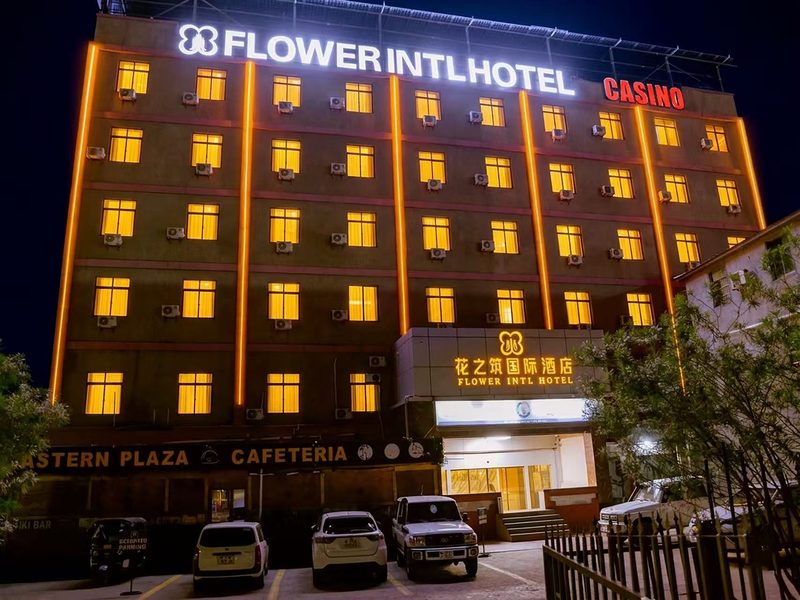
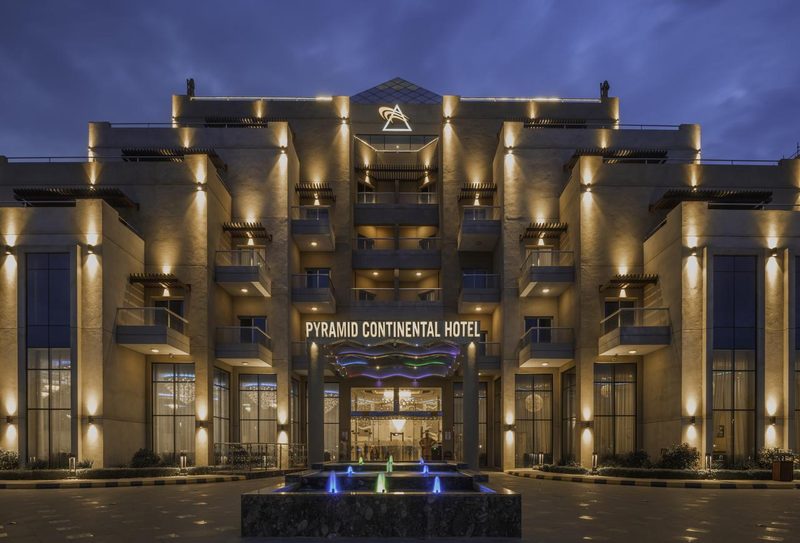
Where to Stay in South Sudan in January
Hand-picked hotels across price tiers for January travellers.
Public Holidays in January
Dates that affect opening hours, transport and crowds
New Year's Day
Observed nationwide as a public holiday.
New Year's Day
Observed nationwide as a public holiday.
Packing Checklist
Bookmark this page — your progress is saved between visits
Need the full list with shopping links?
Climate-specific gear, brand recommendations, and what to leave at home.
View South Sudan Packing List →Essential Tips
Insider knowledge and common pitfalls to avoid
Insider Knowledge
Carry US dollars in small denominations, fifties and below, printed after 2006. South Sudan's economy runs on cash. The South Sudanese Pound fluctuates wildly, and many guesthouses, operators, and even some market vendors prefer or require USD. Large bills are harder to break, and pre-2006 series notes are sometimes refused. Do not expect to use credit cards anywhere outside a handful of international-standard hotels in Juba, and even there, assume the machine might be down.
Photography in South Sudan requires constant awareness. Photographing military installations, government buildings, soldiers, police, or checkpoints is illegal and will get your camera confiscated at minimum. Even in civilian settings, always ask before photographing people. The Mundari cattle camps are generally welcoming to cameras. But this is a relationship your guide has cultivated, not a blanket permission. In Juba's markets, ask the individual vendor. Most will say yes. Some will not, and that refusal is final.
The best food in Juba is not in restaurants. It is at the informal roadside stalls where women cook kisra, the spongy fermented sorghum flatbread that is South Sudan's staple, on flat iron griddles over charcoal. Tear it, scoop up a mouthful of bamia (okra stew thick with peanut paste and slow-cooked goat) and you are eating what people here eat, not a hotel kitchen's approximation. Ful medames, stewed fava beans mashed with oil and onion and eaten with flatbread for breakfast, is everywhere by 6 AM. Look for the stalls with the longest queues of locals, and you have found the good ones.
January is the high season for NGO and aid-worker travel, which means the limited guesthouse and hotel stock in Juba fills up faster than you might expect for a country with almost no tourists. Book accommodation at least four to six weeks in advance. If your dates are fixed, do not wait. Outside Juba, accommodation means whatever your operator provides: tents, community guesthouses, or the back seat of a Land Cruiser. Set your expectations at expedition level and you will not be disappointed.
Avoid These Mistakes
Avoid underestimating the heat and planning midday outdoor activities. Travelers accustomed to East African highland climates arrive in Juba expecting manageable warmth and discover that 36°C (98°F) at low humidity on flat, shadeless terrain is a different animal entirely. The window for comfortable outdoor movement is roughly 6 AM to 10 AM and 4 PM to 6 PM. Plan accordingly or spend your trip nauseated and headachy.
Never arrive without a local fixer or guide and expect to improvise. South Sudan does not have tourist infrastructure, signage in English outside Juba, reliable road maps, or the informal traveler network that exists in neighboring Uganda or Kenya. Showing up and winging it means missed opportunities at best and genuine safety risks at worst. A trusted local contact who speaks Arabic, Juba Arabic, or the relevant local language is the single most important thing you arrange before departure.
Do not treat South Sudan like a safari destination with lodges and game drives. Visitors who have done Kenya or Tanzania arrive expecting a similar product at a lower price and are shocked to find no lodges, no game-drive vehicles waiting at an airstrip, and no cold beer at sundowner. Boma and Nimule are wild parks in the truest sense. The wildlife is there, magnificent and largely undisturbed. But you bring everything with you and you leave with everything, including your trash. This is expedition travel, and the mental shift matters more than the gear.
Ready to plan your trip to South Sudan?
Now that you've got the research covered, here's where to go next.
Explore More Activities in South Sudan
Didn't see anything interesting yet?
Browse Viator's full catalog of tours, day trips, food experiences, and private guides in South Sudan.
See All South Sudan Tours on Viator