Things to Do in South Sudan in December
December weather, activities, events & insider tips
Low Season · Budget Friendly
December Weather in South Sudan
Long-run averages for December in Juba
96°F (35°C)
High Temp
68°F (20°C)
Low Temp
0.3 inches (8 mm)
Rainfall
36%
Humidity
10
Sunny-Day UV
⚠ December heat hits hard. Juba sees 35°C (96°F) regularly. The sun is merciless. Heat exhaustion kills the unprepared. Stay indoors 11 AM to 3 PM. Drink constantly. Watch for dizziness, nausea, and stopped sweating. Act fast.
⚠ Malaria persists in December. Dry season does not mean safe. Anopheles mosquitoes linger in standing water. They hunt at dusk and dawn. Bed nets help. DEET helps. Prophylaxis helps. You need all three. Not one. All three.
⚠ Dust is everywhere. Laterite roads and dry savanna throw up particulates. Vehicle travel becomes a lung workout. Juba air quality drops. Asthma sufferers, pack your meds. Bring a dust mask. You will need it.
Making the most of December in South Sudan? Browse tours and activities in South Sudan on GetYourGuide.
Is December Right for You?
Weigh the advantages and considerations before booking
Advantages
- + December marks the onset of South Sudan's dry season, and the difference is immediate. Roads that were swallowed by mud through the October rains firm up enough for overland travel between Juba and the eastern parks. The White Nile, swollen and brown through the wet months, begins to settle, and the air loses that heavy, waterlogged weight that makes the rainy season feel like breathing through a damp cloth. At 36% humidity, December is as comfortable as Juba gets, with mornings around 20°C (68°F) that are pleasant before the midday heat builds.
- + The white-eared kob migration between Boma and Bandingilo national parks is underway in December, and it remains one of the last great wildlife spectacles on the African continent that almost nobody sees. Estimates once placed the herds at over a million animals, and while civil conflict has made accurate counts impossible for years, what remains is still staggering: a tide of antelope moving across open savanna with tiang and Mongalla gazelle mixed in, all against a flat horizon that stretches until the curvature of the earth stops it.
- + South Sudan is overwhelmingly Christian, and Christmas carries real cultural weight here. In Juba, churches in Kator and Gudele fill for services that run hours, with call-and-response hymns in Dinka, Bari, and Arabic that echo out open windows into streets strung with whatever decorations people could find. There is a warmth to the celebrations that has nothing to do with tourism and everything to do with a population that has endured decades of war and marks these occasions with fierce sincerity.
- + December is when Dinka cattle camps come alive along the riverbanks of the Sudd and the tributaries feeding the White Nile. Pastoralists move their long-horned Ankole-Watusi herds to dry-season grazing grounds, and the camps, with their smoldering dung fires sending grey columns of smoke into the flat sky, are as close as you will get to a way of life that predates every border on the map. The light at dawn in these camps, filtered through smoke and dust, is extraordinary.
Considerations
- − There is no gentle way to say this: South Sudan remains one of the most difficult and potentially dangerous countries on earth for travelers. The 2018 peace agreement has reduced large-scale fighting. But localized violence, armed banditry on roads outside Juba, and intercommunal clashes flare without warning. Travel advisories from most Western governments currently recommend against all travel or all but essential travel. December's dry conditions improve road access but also coincide with periods of cattle raiding in some pastoral areas. You need to go in with open eyes, current security briefings, and a willingness to change plans on zero notice.
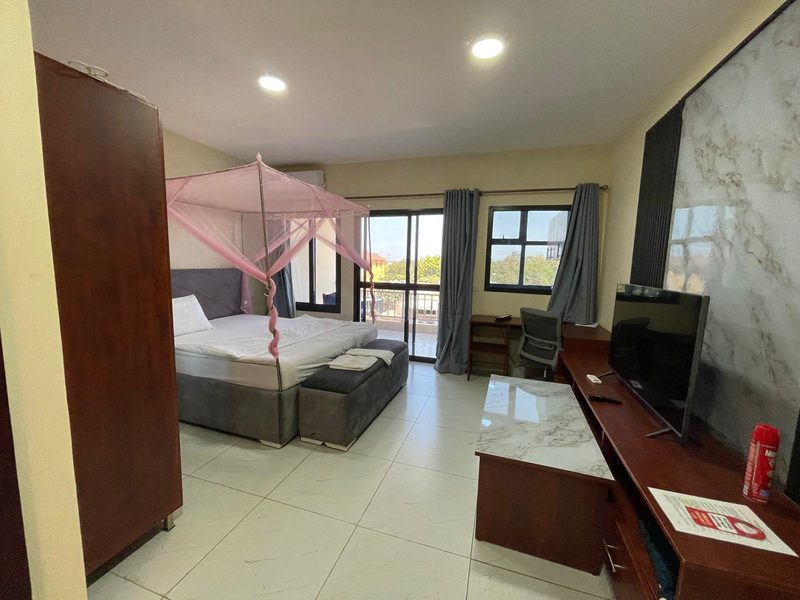
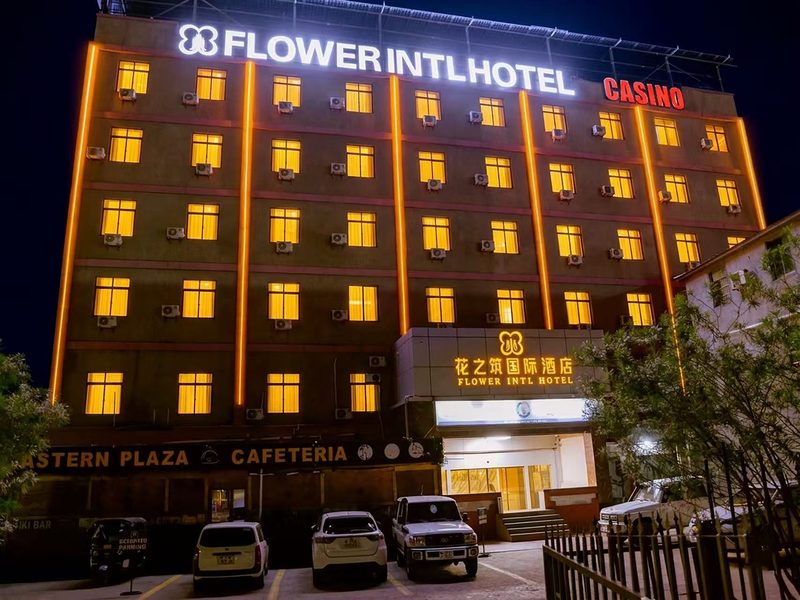
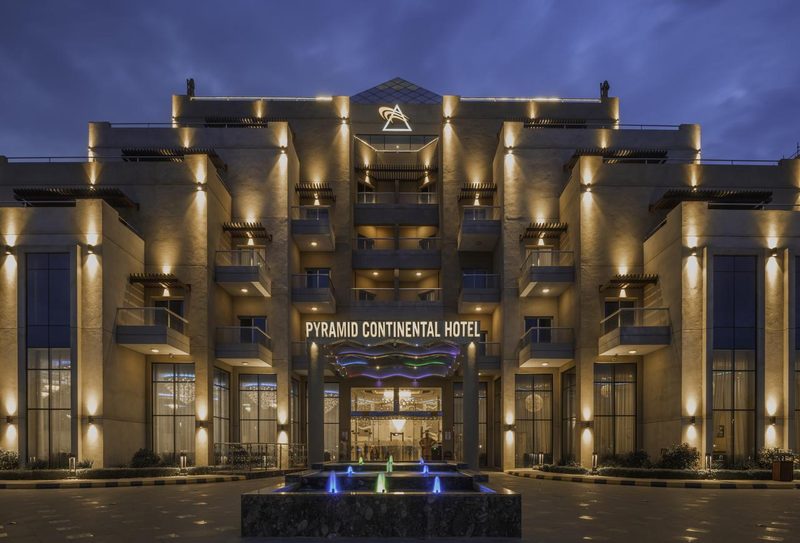
- − Tourism infrastructure barely exists. Juba has a handful of guesthouses and a few international-standard hotels that charge rates you would expect in Geneva, not in one of the world's poorest countries, because supply is thin and demand comes from NGO workers and diplomats, not backpackers. Outside Juba, accommodation means tented camps arranged through specialist operators, or sleeping arrangements negotiated on arrival. There are no ATMs that reliably work outside the capital, mobile data coverage drops to nothing within an hour's drive, and the concept of a marked hiking trail or a visitor center does not apply here.
- − The heat in December is serious. By midday, Juba's streets radiate heat off packed laterite soil, and shade becomes a physical necessity, not a preference. The 35°C (96°F) average high undersells the experience because it is a dry, direct heat with a UV index of 10 that will burn exposed skin in under fifteen minutes. Afternoon outdoor activity between roughly 11 AM and 3 PM is inadvisable for anyone not acclimatized, and the dust kicked up by vehicles on unpaved roads coats everything, from your lungs to your camera lens.
Short on time in December? See day trips around South Sudan on GetYourGuide.
Best Activities in December
Top things to do during your visit
White-Eared Kob Migration Viewing at Boma National Park
December is migration season, and the vast grasslands east of the Nile come alive with herds of white-eared kob moving between Boma and Bandingilo in numbers that rival the Serengeti wildebeest, though without a single tourist lodge or paved access road in sight. The dry season firms up the tracks enough that a skilled driver in a proper four-wheel-drive vehicle can reach the park's western fringes from Juba in a long day's drive, or you can charter a flight to the Boma airstrip and cut straight to the savanna. The air smells of dry grass and animal musk, the horizon is nothing but flat gold-brown plain dotted with acacia, and the silence between engine stops is total except for the drumming of hooves. This is not a polished safari experience. There are no lodges, no guided game drives with cold drinks waiting at sundowner spots. You are camping rough in one of the most remote landscapes in East Africa, and that is precisely what makes it irreplaceable.
Booking Tip: This requires a specialist overland or fly-in safari operator experienced in South Sudan logistics, and you should be arranging this months ahead, not weeks. Look for operators with active relationships with local communities and their own security protocols. Independent travel to Boma is not realistic. See current options in the booking section below.
White Nile River Excursions from Juba
The White Nile cuts through Juba, wide and brown, moving slower in December than during flood season. Getting out on the water strips away the capital's noise within minutes. Local boatmen run motorized wooden vessels from landings near the Juba Bridge. A two-hour trip upstream passes papyrus-fringed banks where cattle egrets roost in white clusters. Monitor lizards slide off mudbanks at engine sounds. The river smells of warm silt and green vegetation. The breeze drops the temperature. Low December water exposes sandbars where wading birds gather in surprising numbers for a city of over half a million. Late afternoon works best. The sun turns the water copper then. The heat backs off.
Booking Tip: Arrange river trips through your guesthouse or a local fixer in Juba. No centralized booking exists. Negotiate route and duration before boarding. Confirm life jackets are available. Bring your own water and sun protection. Early morning or late afternoon departures beat the worst heat. Check current options in the booking section below.
Dinka Cattle Camp Cultural Visits
December's dry season pushes Dinka pastoralists to cattle camps along waterways north and east of Juba and throughout the Sudd region. Visiting one with a knowledgeable local guide is the single most memorable cultural experience South Sudan offers. The camps are smoky and large. Ash from burned dung coats the long horns of Ankole-Watusi cattle and the skin of young herders, turning everything pale grey-orange in early light. The smell hits you: woodsmoke, cattle, fermented milk. Cattle mean wealth, identity, and social currency here. Men sleep beside their animals. They sing to them. They shape horns over years. This is not a performance. You enter a daily reality centuries old. That access carries responsibility. Act accordingly.
Booking Tip: Never approach a cattle camp without a local guide who knows the community. This is not optional courtesy. It is safety and consent. Arrange visits through Juba-based cultural operators or your accommodation's contacts. Bring gifts, typically sugar, tea, or tobacco, discussed with your guide beforehand. Photography requires conversation. Never assume. See the booking section below for operators offering cultural excursions.
Nimule National Park Wildlife Viewing
Nimule sits on the Uganda border about 200 km (124 miles) south of Juba. The drive down the Juba-Nimule highway, the only reliably paved road in the country, takes roughly four hours. Flat scrubland gradually greens and hills as you approach the Achwa River. The park is small by East African standards. It holds hippo, crocodile, Uganda kob, and olive baboon. December's dry conditions concentrate animals around remaining water sources. Sightings come easier then. The Achwa River cuts through the park where you hear hippos grunting and blowing before you see them. They rest half-submerged in muddy pools, egrets perched on their backs. The landscape runs denser than open plains further north. Combretum woodland and shea tree stands give the air a nutty, resinous quality in the heat.
Booking Tip: Nimule works as a day trip from Juba if you leave before dawn. An overnight in Nimule town is more practical. Less exhausting too. Book through a Juba-based operator who handles transport and park entry. Independent visits are possible. A local guide who knows dry season animal concentrations transforms the experience. Check current guided options in the booking section below.
Konyo Konyo Market and Juba Street Food
Konyo Konyo is Juba's central market. Walking through it means negotiating noise, heat, colour, and smell with your whole body. Stalls pack tight under corrugated iron roofing that amplifies December heat into something almost visible. The air carries charcoal grill smoke turning Nile perch fillets, overripe mango sweetness, and the petroleum tang of jerry cans sold alongside cooking oil. South Sudan's food traditions pull from across the region. Kisra, the spongy fermented sorghum flatbread, tears with a sour tang and scoops groundnut stews thick enough to hold a spoon upright. Ful medames, slow-cooked fava beans mashed with sesame oil and chili, is breakfast staple. Vendors serve it from enormous blackened pots, same spot for years. Grilled tilapia, pulled from the Nile and cooked whole over coals until skin crackles and flesh flakes white and clean, is what you come for. You smell it stalls away.
Booking Tip: You do not need a tour operator for Konyo Konyo. You need a local companion. Navigation matters. So do social dynamics in a market where tourists stand out. Go early. Before 9 AM. Heat stays tolerable then. Produce is freshest. Keep valuables minimal and hidden. For structured food experiences, ask your accommodation to connect you with a local guide who can walk you through market geography and food traditions. Current guided food experiences may be available in the booking section below.
Where to Stay in South Sudan in December
Hand-picked hotels across price tiers for December travellers.
Public Holidays in December
Dates that affect opening hours, transport and crowds
Christmas Eve
Observed nationwide as a public holiday.
Christmas Day
Observed nationwide as a public holiday.
Second Day of Christmas
Known in English as St. Stephen's Day. Observed nationwide as a public holiday.
Christmas Eve
Observed nationwide as a public holiday.
Christmas Day
Observed nationwide as a public holiday.
Second Day of Christmas
Known in English as St. Stephen's Day. Observed nationwide as a public holiday.
Christmas Eve
Observed nationwide as a public holiday.
Christmas Day
Observed nationwide as a public holiday.
Second Day of Christmas
Known in English as St. Stephen's Day. Observed nationwide as a public holiday.
Packing Checklist
Bookmark this page — your progress is saved between visits
Need the full list with shopping links?
Climate-specific gear, brand recommendations, and what to leave at home.
View South Sudan Packing List →Essential Tips
Insider knowledge and common pitfalls to avoid
Insider Knowledge
South Sudan requires a visa for nearly all nationalities. The process is neither quick nor straightforward. Apply through the nearest South Sudanese embassy well in advance. Expect to provide a letter of invitation from a registered organization or tour operator inside the country. Budget weeks for processing. Visa on arrival exists in theory at Juba International Airport but is unreliable in practice and should not be your primary plan. Carry printed copies of all confirmation correspondence.
The South Sudanese pound fluctuates sharply. The official exchange rate and the parallel market rate diverge significantly. US dollars in cash, in clean, post-2006 bills with no tears or marks, are the practical currency for travelers. Bring enough to cover your entire trip. Do not rely on cards or ATMs. Large bills get better rates but small bills are essential for daily transactions where change is scarce.
December mornings between 6 and 8 AM are the golden window for everything. Cooler air, softer light, less dust, and a pace of life that has not yet been compressed by heat into the midday torpor. Schedule any walking, market visits, or photography for this window. By 10 AM the heat is already assertive. By noon outdoor activity becomes an exercise in endurance rather than enjoyment.
Juba Arabic, not Modern Standard Arabic or English, is the common language of the capital. Learning a handful of phrases opens conversations. Salam (hello), shukran (thanks), kwais (good). This signals respect in a way that defaulting to English does not. Outside Juba, dozens of languages are spoken. A local guide who shares a language with the community you are visiting is essential, not a luxury.
Avoid These Mistakes
Do not assume South Sudan is a conventional tourism destination where you can improvise. There are no hop-on-hop-off options, no hostel trail, no reliable public transport network. Every journey outside Juba requires advance planning, a vehicle in good condition with a competent driver, fuel reserves because stations run dry without warning, and a clear understanding of current security conditions on your route. Travelers who arrive in Juba expecting to figure it out on the ground find themselves stuck in the capital.
Never photograph soldiers, checkpoints, government buildings, or military installations. This will result in your camera being confiscated at minimum, and detention at worst. The rules on photography are taken seriously and enforced unpredictably. Always ask before photographing people, in markets and at checkpoints. When in doubt, keep the camera down.
Do not underestimate the health risks. Malaria transmission is active in December despite the dry season. The medical infrastructure to treat serious illness barely exists outside Juba, where even Juba's facilities are limited by international standards. Complete travel insurance that includes medical evacuation to Nairobi or Kampala is not optional. Start antimalarial prophylaxis before arrival. Sleep under a treated net every night. Apply DEET repellent at dusk when mosquitoes peak.
Ready to plan your trip to South Sudan?
Now that you've got the research covered, here's where to go next.
Explore More Activities in South Sudan
Didn't see anything interesting yet?
Browse Viator's full catalog of tours, day trips, food experiences, and private guides in South Sudan.
See All South Sudan Tours on Viator