Things to Do in South Sudan in September
September weather, activities, events & insider tips
Low Season · Budget Friendly
September Weather in South Sudan
Long-run averages for September in Juba
91°F (33°C)
High Temp
69°F (21°C)
Low Temp
4.1 inches (104 mm)
Rainfall
71%
Humidity
13
Sunny-Day UV
⚠ Malaria risk spikes in September. Standing water accumulates from months of rain. Mosquito density hits its yearly peak. Prophylaxis is mandatory. Treated bed nets are mandatory. Long clothing is mandatory. These are not suggestions.
⚠ Unpaved roads fail after heavy rains. Vehicles sink axle-deep in laterite mud. Overland travel outside Juba is unreliable in September. Getting stranded between towns for days is a real possibility. Plan accordingly.
⚠ Flash flooding hits low-lying Juba areas. The Nile floodplain swells after sustained rainfall. River levels peak in September. Informal settlements along the banks face the worst danger. Do not stay near the waterfront. Flood-prone accommodation is a bad idea.
⚠ September humidity averages 71%. Temperatures reach 33°C (91°F). Heat exhaustion strikes faster than the thermometer suggests. Hydrate constantly. Rest between 11 AM and 3 PM. Physical exertion during these hours is unwise.
Making the most of September in South Sudan? Browse tours and activities in South Sudan on GetYourGuide.
Is September Right for You?
Weigh the advantages and considerations before booking
Advantages
- + September sits at the tail of the wet season, when Juba's rainfall eases from the July-August peak of 5.0-5.7 inches (127-145 mm) down to 4.1 inches (104 mm). The landscape across the savanna south of the capital is the greenest it will be all year, with the grasslands around Nimule reaching shoulder height and the banks of the White Nile thick with growth. If you have any interest in seeing South Sudan's terrain at its most alive rather than its dry-season brown, this narrow window before October's secondary rains is likely your best shot.
- + Tourism infrastructure in South Sudan is so limited that crowd levels are essentially irrelevant year-round, but September is quiet. The handful of guesthouses and compounds in Juba that accept independent travelers tend to have availability without advance booking. Aid workers and NGO staff, who make up the majority of visitors, cycle through on project timelines rather than seasons, meaning you are unlikely to compete for beds even at short notice.
- + The White Nile running through Juba is at or near its annual high in September, which makes river travel between the capital and communities upstream more reliable than during the low-water months of January through March. Boats that run between Juba and Bor, roughly 190 km (118 miles) north, operate more consistently when the water level cooperates, though scheduling remains informal at best.
- + Temperatures in September are noticeably more tolerable than the furnace months of January through March, when Juba's highs regularly exceed 36°C (97°F). At 33°C (91°F) with cloud cover from passing storms, the afternoons feel markedly less punishing, and the evenings cool to 21°C (69°F), which is about as comfortable as this equatorial latitude gets.
Considerations
- − Safety remains the defining constraint of any trip to South Sudan. The 2018 peace agreement reduced large-scale fighting. But localized violence, armed robbery, and intercommunal clashes continue in multiple states. Juba itself is calmer than the countryside, but carjackings, petty crime, and sporadic gunfire after dark are realities, not scare stories. Most Western governments advise against all travel to South Sudan, and those advisories are grounded in ongoing incident data. If you go, you need a security plan, not just a travel plan.
- − September's 4.1 inches (104 mm) of rain and 71% humidity mean the unpaved roads that connect nearly every destination outside Juba turn to impassable red mud. Routes to Boma National Park, roughly 800 km (497 miles) east of the capital, and even the shorter drive to Nimule National Park at about 200 km (124 miles) south, can take two to three times their dry-season duration or become completely blocked. Overland travel outside the capital is unreliable this month.
- − Medical infrastructure is extremely sparse. Juba has a small number of clinics, most run by international organizations. But anything beyond basic treatment requires evacuation to Nairobi or Kampala. Malaria is endemic and September's standing water and humidity make mosquito density high. You need complete travel insurance that explicitly covers medical evacuation from South Sudan, and that coverage is expensive and limited to a handful of specialist insurers.
Short on time in September? See day trips around South Sudan on GetYourGuide.
Best Activities in September
Top things to do during your visit
White Nile Riverbank Walks and Boat Crossings in Juba
The White Nile cuts through the center of Juba, and in September, when the river is swollen and running fast with brown water carrying sediment from the Ethiopian highlands, the banks become the closest thing the city has to a public park. Walking along the stretch near the Juba Bridge in the early morning, before the heat sets in around 10 AM, you will hear the slap of wooden boats against the current and smell charcoal smoke drifting from the fishing camps where Nile perch are being grilled on open fires. The river crossing by motorized canoe from Juba to the communities on the western bank takes only minutes but feels like stepping between different centuries. September's high water makes the crossing smoother than in dry months, when sandbars force longer routes. The light at 6:30 AM, when the mist sits on the water and the egrets are still working the shallows, is the most photogenic moment Juba offers.
Booking Tip: No formal booking needed for riverbank walks. For boat crossings, negotiate directly at the waterfront near the bridge. Go with a local contact who knows the regular boatmen. Morning departures before 8 AM avoid both the heat and the afternoon storm window. See current options in the booking section below for any organized Juba experiences.
Nimule National Park Wildlife Viewing
Nimule National Park sits on the Uganda border about 200 km (124 miles) south of Juba, and it holds what remains of South Sudan's most accessible wildlife population, including hippos in the White Nile, Uganda kob, and olive baboons. September is a double-edged month here. The park is green and lush, the hippo pools are full, and the birdlife is extraordinary, with migrant species arriving from the north. But the access road from Juba, which is unpaved for long stretches, turns treacherous after heavy rains, and you might spend six or seven hours covering what would be a three-hour drive in January. The humidity inside the park sits heavy enough that your binocular lenses fog the moment you step out of the vehicle. That said, the few travelers who make it find the park essentially empty. The rangers are welcoming but under-resourced, so bring your own water, food, and fuel.
Booking Tip: There is no conventional booking system. Arrange a vehicle with a driver experienced on the Juba-Nimule road, and confirm road conditions with local contacts no more than 48 hours before departure. A 4x4 with high clearance is non-negotiable in September. Budget a full day each way for the drive. Check the booking section below for any available South Sudan wildlife experiences.
Juba Market Culture and Local Food
Konyo Konyo Market in central Juba is the largest open-air market in South Sudan, and in September, the stalls overflow with seasonal produce pulled from the rain-fed farms around the capital. The smell hits you twenty meters before you reach the entrance: woodsmoke, ground peanuts roasting on sheet-metal trays, the sharp tang of fermenting sorghum from the local beer brewers, and the unmistakable sweetness of ripe mangoes stacked in pyramids. This is where you eat kisra, the fermented sorghum flatbread that is the staple of South Sudanese cooking, torn by hand and dipped into mulah, a slow-cooked stew of okra and dried fish or goat meat that coats your fingers and tastes earthy and slightly sour from the fermentation. The market is loudest in the morning, with vendors calling prices over the generator hum of the butchers' refrigeration units. September's humidity makes the midday hours oppressive inside the market's corrugated-iron corridors, so go early, before 9 AM, when the ground is still damp from overnight rain and the temperature has not yet climbed past 28°C (82°F).
Booking Tip: No booking required. Go with a local guide or contact for translation and navigation. Konyo Konyo is best visited on weekday mornings when the crowds are manageable. Keep valuables concealed and avoid photography of military or police personnel nearby. For guided food and cultural experiences, see the booking section below.
Birdwatching Along the Nile and Wetland Margins
South Sudan sits beneath one of the major Palearctic-Afrotropical flyways, and September marks the beginning of the southward migration that brings European and Central Asian species through the country's wetlands. The margins of the Sudd, the vast swamp system that spreads across central South Sudan and is one of the largest freshwater wetlands on Earth, hold species counts that serious birders travel continents to see: shoebill storks standing motionless in papyrus channels, saddle-billed storks picking through flooded grassland, and clouds of red-billed queleas moving like smoke over the sorghum fields. You do not need to reach the deep Sudd to find extraordinary birding. The wetland edges accessible from Juba's outskirts, along the river south of the city toward the Rajaf area, offer sightings of malachite kingfishers, African fish eagles, and pied kingfishers diving from overhanging branches into the brown current. The humidity and cloud cover in September work in your favor: the softer light means birds stay active later into the morning rather than retreating to shade by 9 AM as they do in the dry season.
Booking Tip: No formal birding operators exist in South Sudan. Bring your own optics, field guides covering East Africa, and GPS. Hire a local guide through your accommodation in Juba who knows the riverside paths. Early morning starts at 5:30 AM catch the best activity window. See the booking section below for any available nature experiences in the region.
Cultural Visits to Dinka and Mundari Cattle Camps
The cattle camps of the Mundari people along the Nile north of Juba, roughly 75 km (47 miles) from the capital near Terekeka, are one of the most visually extraordinary cultural experiences in East Africa. In September, the camps are in a transitional state: herds are moving between wet-season highland grazing and the riverbanks where they will spend the dry months, and the camps have a temporary, restless energy. The ash from burned dung, which the Mundari use to protect cattle from insects, hangs in the humid air and gives the camps a pale, smoky quality in the morning light. The animals themselves are Ankole-Watusi crosses with massive curved horns, and the Mundari bond with individual cattle is intimate enough that men will sleep beside their animals, rubbing the ash into their own skin and hair. The sensory experience is overwhelming: the lowing of hundreds of cattle, the acrid smell of burning dung, the warmth of the animals' bodies in the cool dawn, and the orange light filtering through the smoke. September access depends entirely on road conditions, which change day to day with rainfall.
Booking Tip: This visit requires a local fixer who has an existing relationship with the Mundari community. Do not arrive unannounced. Arrange through your accommodation in Juba at least several days in advance, and confirm road conditions to Terekeka on the morning of departure. Bring a gift of salt or tea for the camp elders, as is customary. A 4x4 vehicle is essential. Check the booking section below for any organized cultural experiences.
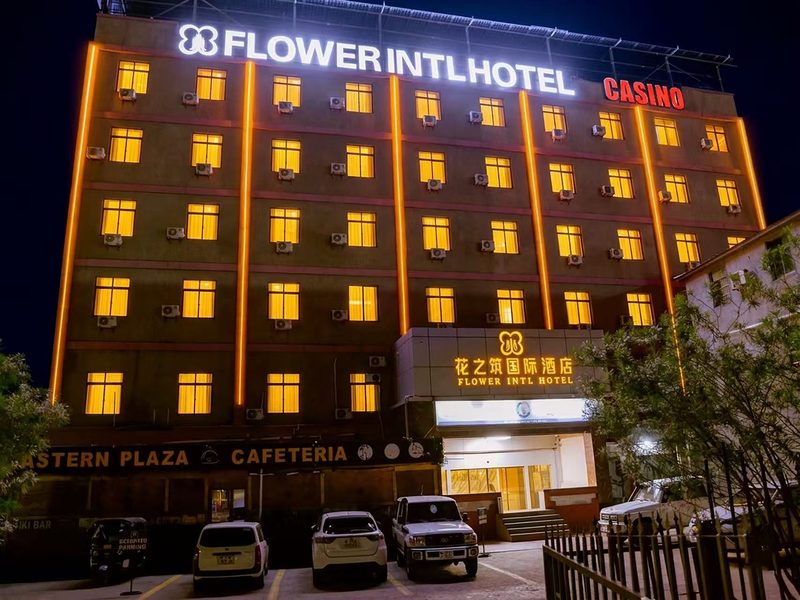
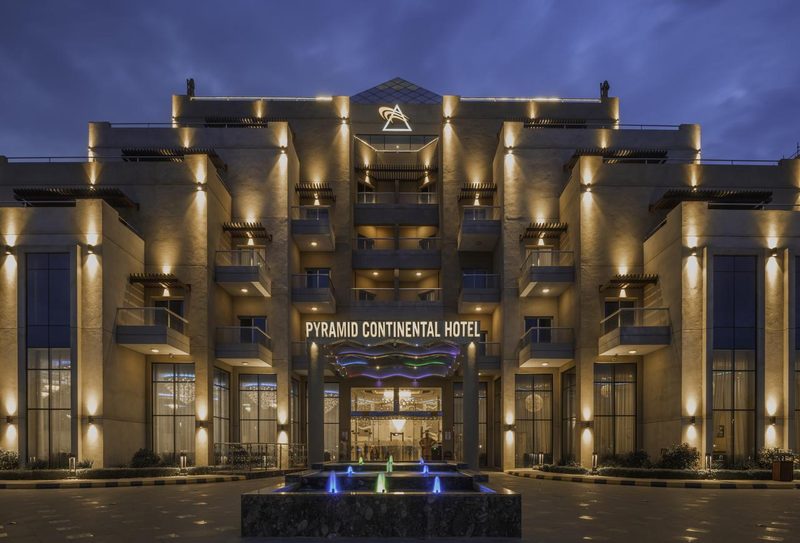
Where to Stay in South Sudan in September
Hand-picked hotels across price tiers for September travellers.
Packing Checklist
Bookmark this page — your progress is saved between visits
Need the full list with shopping links?
Climate-specific gear, brand recommendations, and what to leave at home.
View South Sudan Packing List →Essential Tips
Insider knowledge and common pitfalls to avoid
Insider Knowledge
The single most important thing you can arrange before arriving in South Sudan is a local contact, whether through an NGO, a fixer recommended by journalists who have worked in-country, or a community connection. South Sudan does not function on the infrastructure that independent travelers rely on elsewhere. There are no tourist information offices, no reliable public transit schedules, and no booking platforms that cover local services. Your local contact is your translator, security advisor, cultural interpreter, and logistics coordinator. Without one, you are not adventurous. You are stranded.
Juba's restaurant scene, such as it is, concentrates along the roads near the UN compound and the diplomatic quarter. The food that represents South Sudan, the kisra and mulah, the grilled Nile perch rubbed with ground peanut and wrapped in banana leaf, the thick sorghum porridge called asida served with a stew of dried okra, lives in the market stalls and local eating houses where the menu is whatever was cooked that morning. Point at what someone else is eating. That is how you order. September's seasonal availability means fresh river fish is abundant, and the mangoes are at their peak sweetness before the dry season ends the harvest.
Photography of military installations, checkpoints, government buildings, and uniformed personnel is prohibited and enforced with genuine consequences. This is not a rule that exists on paper and is ignored in practice. Soldiers at checkpoints will confiscate your equipment, and in the worst case, detain you. Ask before photographing anyone, including civilians, and be prepared to show your images if requested. The Mundari cattle camps are an exception where photography is generally welcomed. But only with prior arrangement through a community contact.
September is malaria season in the most unambiguous sense. The standing water, the humidity, the temperature range: everything conspires to make mosquito-borne illness the single greatest health risk of your trip, ahead of road accidents and ahead of security incidents. Start your antimalarial regimen before arrival, sleep under a treated net every night without exception, and if you develop a fever within two weeks of leaving the country, tell the treating physician you were in a malaria-endemic zone. This is not a precaution you can skip because you feel fine.
Avoid These Mistakes
Assuming overland travel works on a schedule. In September, a journey that Google Maps estimates at four hours on a paved highway in another country might take twelve hours on a flooded murram road in South Sudan, or might not be possible at all. Travelers who build tight itineraries with fixed dates for reaching Nimule, Bor, or Boma find themselves stuck in Juba waiting for roads to dry, or worse, stuck halfway in a village with no accommodation. Build slack into every plan. Double every time estimate. Accept that your itinerary is a suggestion, not a commitment.
Arriving without confirmed visa arrangements. South Sudan's visa process is bureaucratic, opaque, and changes without notice. Travelers who show up at Juba International Airport expecting a straightforward visa-on-arrival have been turned around. Apply through a South Sudanese embassy well in advance, carry printed confirmation, and bring extra passport photos. The process tests your patience. But arriving without documentation tests your freedom of movement.
Underestimating the cost of everything. South Sudan is not a budget destination. Despite being one of the world's poorest countries, the cost of accommodation, transport, food, and security arrangements in Juba is closer to Western European pricing than East African. This paradox exists because almost everything is imported, supply is constrained, and demand from the international community keeps prices elevated. Travelers who budget for East African backpacker rates discover that the cheapest acceptable guesthouse in Juba costs what a mid-range hotel costs in Kampala or Nairobi.
Ready to plan your trip to South Sudan?
Now that you've got the research covered, here's where to go next.
Explore More Activities in South Sudan
Didn't see anything interesting yet?
Browse Viator's full catalog of tours, day trips, food experiences, and private guides in South Sudan.
See All South Sudan Tours on Viator