Things to Do in South Sudan in May
May weather, activities, events & insider tips
Low Season · Budget Friendly
May Weather in South Sudan
Long-run averages for May in Juba
92°F (33°C)
High Temp
72°F (22°C)
Low Temp
5.1 inches (130 mm)
Rainfall
58%
Humidity
12
Sunny-Day UV
⚠ Flash flooding in low-lying areas near the White Nile and its tributaries can occur with little warning after heavy afternoon storms. The Nile's annual rise begins in May, and areas that were dry ground a week earlier can be under water after a sustained downpour. Stay clear of riverbanks during and immediately after storms.
⚠ Unpaved roads across most of South Sudan become impassable red clay after sustained rain, trapping vehicles for hours or days. This is not an inconvenience: it is a genuine safety concern when combined with limited communication infrastructure and the absence of roadside assistance. Overland travel outside Juba should be treated as expedition-grade logistics.
⚠ Mosquito-borne disease transmission, malaria and dengue, increases sharply as May's rains create standing water across the landscape. Prophylaxis, repellent, and net use are non-negotiable. Medical facilities in South Sudan, including in Juba, are severely limited, and evacuation to Nairobi or Kampala requires advance planning and may be delayed by weather or logistics.
⚠ Heat stress compounded by rising humidity is a real risk for travelers unaccustomed to sustained equatorial conditions. Juba's average humidity of 58% in May, combined with highs of 33°C (92°F), pushes the heat index into territory where prolonged outdoor exertion becomes dangerous. Hydrate aggressively and schedule outdoor activities for early morning only.
Making the most of May in South Sudan? Browse tours and activities in South Sudan on GetYourGuide.
Is May Right for You?
Weigh the advantages and considerations before booking
Advantages
- + The first sustained rains have broken the dry season's choking dust. South Sudan's savanna turns from baked ochre to luminous green practically overnight. The visual transformation north of Juba along the Nile floodplain is dramatic. Photographers who know the region time their visits for exactly this shift. The light softens from the dry season's harsh white glare to something warmer. It grows more saturated against that new green.
- + Mundari cattle camps along the White Nile north of Juba are still in their riverside dry-season positions in early May. The herders have not yet begun moving animals to higher ground as floodwaters rise. This narrow window means the camps remain accessible by road from Juba in roughly ninety minutes. The camps feature towering Ankole-Watusi cattle and dung-smoke fires. The trip becomes a multi-day ordeal once the laterite turns to clay.
- + Afternoon thunderstorms typically pull Juba's temperatures down from the mid-30s Celsius (mid-90s Fahrenheit) by late afternoon. The evenings grow cooler than the dry months of January through March. Nighttime lows then rarely offer much relief. The drop is tangible. By seven in the evening the air moves. Sitting outside becomes comfortable rather than an endurance test.
- + Migratory and resident bird populations peak as the rains draw insects and fill seasonal wetlands. The fringes of the Sudd, the vast papyrus wetland fed by the White Nile, come alive with herons, storks, pelicans, and crowned cranes. The concentrations are notable. Even experienced East Africa birders find them noteworthy.
Considerations
- − South Sudan's road network, already among the most limited in Africa, deteriorates rapidly once the rains set in. Most routes outside Juba are unpaved laterite. By mid-May a single heavy storm can turn a passable track into knee-deep red clay that swallows vehicles whole. Overland travel between towns that takes five hours in the dry season can stretch to two days. It can become flatly impossible. Evacuation routes narrow accordingly.
- − Malaria risk climbs steeply as standing water multiplies mosquito breeding sites. May sits right at the inflection point where transmission rates begin their wet-season increase. Prophylaxis is non-negotiable. Even with it, the density of mosquitoes at dusk near the river can be oppressive. Exposed skin draws bites within seconds.
- − The security situation across South Sudan remains unpredictable. Localized armed violence, cattle-raiding, and banditry are possible throughout the country. They are not confined to any single region. May's deteriorating roads compound this by reducing the options for changing route or reaching assistance quickly. Most Western governments currently advise against all travel, or all but essential travel, to South Sudan. This is not a destination where you can wing it.
Short on time in May? See day trips around South Sudan on GetYourGuide.
Best Activities in May
Top things to do during your visit
Mundari Cattle Camp Photography Excursions North of Juba
The Mundari camps along the White Nile remain South Sudan's single most extraordinary cultural encounter. The camps sit on the flat alluvial plain roughly 60 km (37 miles) north of Juba. Dozens of families tend herds of long-horned Ankole-Watusi cattle in an unbroken pastoral tradition. The smell hits first. Thick woodsmoke from smoldering cattle dung, deliberately lit to keep insects off the animals, hangs in a low haze. It catches the early light and turns the whole scene amber. Young herders rub pale ash into their skin and their cattle's hides. The effect is almost sculptural against the smoke. May is likely your last reliable window before the rains push the camps inland. The access road becomes a guessing game. Arrive at dawn. The light slants low through the dung-smoke and the cattle are untethered for the day. By mid-morning the heat and the flies make lingering uncomfortable for everyone. You will need a local guide who has an existing relationship with the camp elders. Photography is permitted but negotiated. Respect here is not optional. You are a guest in someone's home, not a visitor to an attraction.
Booking Tip: Arrange a guide through a Juba-based fixer or licensed local operator at least two to three weeks before your arrival. Do not attempt to drive to the camps independently. A full morning excursion with early departure from Juba is the standard format. See current guided options in the booking section below.
White Nile River Crossings and Sunset Boat Trips from Juba
The White Nile at Juba runs wide, brown, and deceptively calm. It splits the city into its eastern and western halves. In May, as upstream rains begin feeding the system, the river starts its annual rise. The papyrus islands that dot the channel shift and reform over days. Small motorized boats operate from the riverbank near the bridge. An evening ride puts you on the water as the sun drops behind the treeline on the western bank. The air cools noticeably over the river. You can hear the slap of Nile perch surfacing. You can see fish eagles working the shallows. The light on the water in the final hour before sunset is the warm copper that dry-season haze never allows. This is South Sudan without the complications of overland travel. It is contained, calm, and surprisingly beautiful. That said, wear insect repellent as if your comfort depends on it. It does. The mosquitoes on the river at dusk are legendary.
Booking Tip: River trips are arranged informally through local operators in Juba. Your accommodation or a local fixer can typically organize a boat within a day. Confirm that the vessel has life jackets. Confirm that the operator knows the current channel, which shifts as the water rises. Check the booking section below for any currently listed river experiences.
Boma National Park Wildlife and Migration Expeditions
Boma National Park sits in South Sudan's far east, hard against the Ethiopian border. It protects one of the largest remaining wildlife migrations in Africa. White-eared kob, tiang antelope, and Mongalla gazelle move through the park's savanna in herds numbering in the hundreds of thousands. May marks the leading edge of the wet season. The grasslands are green enough to support the herds. But not yet so waterlogged as to make vehicle movement impossible. That window is narrow. It is closing. The park's remoteness is genuine. No lodges. No marked trails. No gift shops. You camp in one of the most remote protected areas on the continent. The silence at night is absolute. Hyena calls break it. Grass rustles. Serengeti visitors never experience this. This is expedition-grade travel. It requires a self-sufficient vehicle convoy, experienced guides, and realistic expectations about comfort. The reward is witnessing a migration that most of the world does not know still exists.
Booking Tip: Boma expeditions require a specialized operator with logistical capacity for multi-day self-supported camping. Arrange this months in advance. Early May offers the best road conditions. By late May, access tracks may be impassable. This is not a day trip. Plan for a minimum of five to seven days including travel from Juba. See the booking section below for operators listing South Sudan wildlife expeditions.
Konyo Konyo Market and Juba Street Food Walks
Konyo Konyo is Juba's large central market. It is the closest thing South Sudan has to a public commons. The name means 'everything, everything' in Juba Arabic. The description is accurate. Stalls selling Chinese-made electronics sit next to women frying mandazi. This slightly sweet fried dough is South Sudan's answer to the doughnut. Hot oil hisses. Dough puffs golden as it bobs in the pan. The air in the food section is layered. Charcoal smoke rises from grills turning Nile perch until the skin crackles and blackens. Sharp fermented tang drifts from kisra batter fermenting in covered pots. Fresh chilies pound in stone mortars with a green bite. Try the ful. These slow-cooked fava beans are mashed with sesame oil and eaten with torn flatbread. It is South Sudan's default breakfast. It is one of the most satisfying simple meals you will eat anywhere. May's heat makes the market most bearable in the early morning. Vendors are setting up then. Temperatures sit in the low 20s Celsius (low 70s Fahrenheit). By noon tin roofs radiate heat downward. Crowds compress the aisles to single-file shuffles.
Booking Tip: A market walk is best done with a local guide who speaks Juba Arabic and knows the vendors. Organized food walks are uncommon. They can be arranged through Juba-based fixers. Go before nine in the morning. Bring small-denomination bills. Leave valuables at your accommodation. Check the booking section below for any currently listed Juba cultural experiences.
Nimule National Park Day Trips Along the Uganda Border
Nimule National Park sits on the Ugandan border roughly 200 km (124 miles) south of Juba. Here the White Nile narrows and pushes through rocky rapids before entering Uganda as the Albert Nile. The park is one of South Sudan's more accessible reserves. In May the surrounding bush greens up. The Nile's rapids run higher and louder with the early rains. Hippos congregate in the wider pools. Their grunting is audible from the bank. Vervet monkeys crash through the riverside canopy overhead. The park suffered heavily during decades of conflict. Wildlife populations are still rebuilding. This is not a safari in the East African sense. What it offers instead is a quiet, uncrowded encounter with recovering wilderness. The drive south from Juba on the Nimule road is paved and in reasonable condition. This is the most logistically straightforward nature excursion from the capital. In May the roadside landscape alone is worth the drive. Green fields stretch past. Scattered homesteads with thatched tukuls dot the horizon. Mango trees hang heavy with fruit.
Booking Tip: The drive from Juba to Nimule takes roughly four to five hours. Arrange transport and a guide through a Juba-based operator. A day trip is tight but possible with an early start. An overnight at a basic guesthouse in Nimule town gives you a more relaxed schedule. Confirm road conditions before departure. This matters after heavy rain. See the booking section below for options.
Where to Stay in South Sudan in May
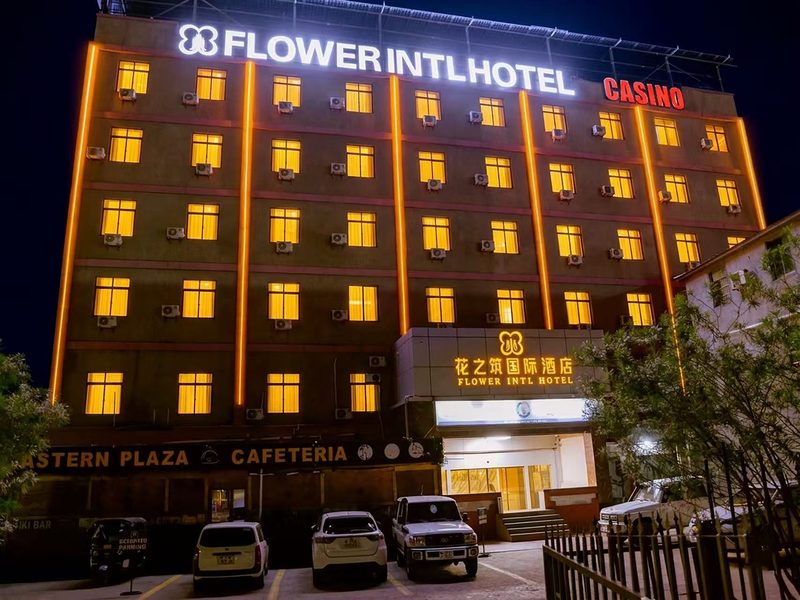
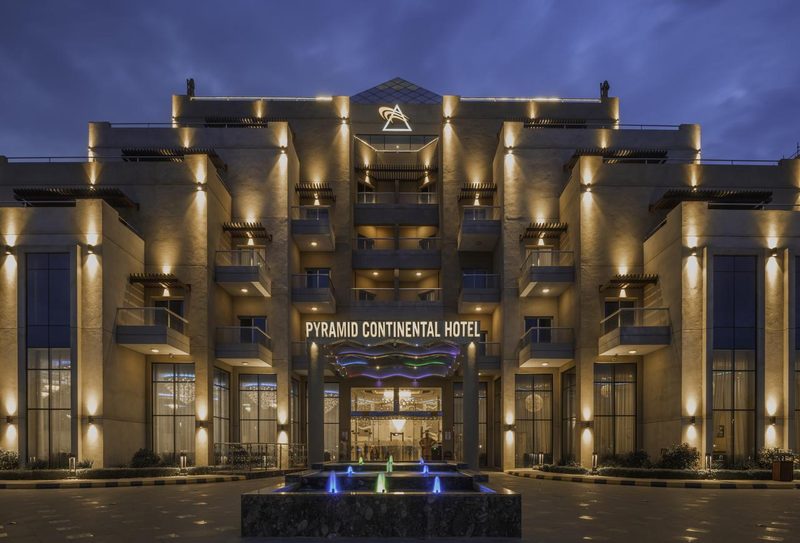
Hand-picked hotels across price tiers for May travellers.
Public Holidays in May
Dates that affect opening hours, transport and crowds
Labour Day
Observed nationwide as a public holiday.
SPLA Day
Observed nationwide as a public holiday.
Labour Day
Observed nationwide as a public holiday.
SPLA Day
Observed nationwide as a public holiday.
Packing Checklist
Bookmark this page — your progress is saved between visits
Need the full list with shopping links?
Climate-specific gear, brand recommendations, and what to leave at home.
View South Sudan Packing List →Essential Tips
Insider knowledge and common pitfalls to avoid
Insider Knowledge
The functional currency in South Sudan is the US dollar for anything above small market purchases, regardless of what official guidance says. The South Sudanese pound fluctuates aggressively, and most accommodation, transport hire, and guide fees are quoted and expected in dollars. Bring clean, undamaged bills: notes with tears or pen marks are routinely refused. ATMs in Juba exist in theory but dispense cash unpredictably. Arrive with enough physical currency for your entire stay, plus a reserve.
Juba operates on a compound economy that is invisible to most planning guides. The international organizations, NGOs, and diplomatic missions that form the backbone of the city's formal sector run their own restaurants, bars, and social spaces inside walled compounds. Some of these are accessible to visitors through connections or simply by asking at the gate. The food and atmosphere inside certain compounds is dramatically better than what is available on the open market, and the conversations you overhear give you a more honest reading of the country's current state than any briefing document.
If you are photographing the Mundari cattle camps, bring prints of your previous work to show the elders. This is not a transaction. It is a gesture of respect that communicates you take your craft and their culture seriously. The camps receive a steady trickle of photographers, and the community's patience for visitors who show up, shoot, and leave without engagement is understandably thin. A morning spent sitting, drinking tea, and watching before you raise the camera produces better images and a better experience than rushing to capture the dawn light.
The safest and most current security information comes not from government travel advisories, which are broad-brush by necessity. But from the informal networks of NGO workers and journalists in Juba. If you are staying at an accommodation that caters to the international community, ask the staff or fellow guests about specific road conditions and regional tensions before you travel. Information moves fast in Juba's expatriate circles, and yesterday's safe route may not be today's.
Avoid These Mistakes
Attempting overland travel between major towns without confirming road conditions within the previous 24 hours. In May, a road that was passable yesterday morning can be a flooded trench by this afternoon. Travelers who set off for Bor or Malakal based on dry-season assumptions end up stranded in mud for hours or days, with no recovery service coming. Always verify with local sources, not maps, before departing Juba by road.
Photographing military personnel, checkpoints, government buildings, or the Juba bridge without explicit permission. South Sudan's security forces take unauthorized photography seriously, and the consequences range from confiscation of your camera or phone to detention. This is enforced unpredictably but the risk is real. Ask before you shoot, every time, and accept a no gracefully.
Underestimating the combined effect of 33°C (92°F) heat and 58% humidity on your body's ability to function. Dry-season visitors from hot climates sometimes assume May will feel similar. But the humidity changes everything: you sweat continuously without cooling, dehydration creeps up faster than you expect, and physical effort that felt manageable at 23% humidity in February becomes exhausting. Carry water obsessively, rest during the midday hours, and take the first signs of headache or dizziness seriously.
Ready to plan your trip to South Sudan?
Now that you've got the research covered, here's where to go next.
Explore More Activities in South Sudan
Didn't see anything interesting yet?
Browse Viator's full catalog of tours, day trips, food experiences, and private guides in South Sudan.
See All South Sudan Tours on Viator