Things to Do in South Sudan in August
August weather, activities, events & insider tips
Low Season · Budget Friendly
August Weather in South Sudan
Long-run averages for August in Juba
88°F (31°C)
High Temp
69°F (21°C)
Low Temp
5.0 inches (127 mm)
Rainfall
82%
Humidity
12
Sunny-Day UV
⚠ Severe flooding affects low-lying areas of Juba and surrounding regions throughout August. The White Nile and its tributaries overtop their banks annually, displacing communities and cutting road access. Areas near the river and in Juba's southern neighborhoods are vulnerable. Monitor conditions daily. Have contingency plans for rapid water level changes.
⚠ Malaria transmission peaks during August's wet season. Anopheles mosquitoes breed prolifically in standing water throughout Juba and across the country. Prophylaxis is not optional. It is essential. Carry a treated mosquito net even if your accommodation claims to provide one. Apply DEET repellent religiously from late afternoon through the night.
⚠ Unpaved roads across most of South Sudan become impassable mud during August rains. Entire regions become effectively cut off from ground transport, and even the main highways can develop dangerous washouts after heavy storms. Never travel overland without confirming current road conditions through local sources the same day. Carry recovery equipment and extra fuel in any vehicle.
Making the most of August in South Sudan? Browse tours and activities in South Sudan on GetYourGuide.
Is August Right for You?
Weigh the advantages and considerations before booking
Advantages
- + August in Juba sits at 31°C (88°F). That beats the dry season. January and February hit 37°C (99°F). The rains soften the blow. Mornings before 9 AM carry a coolness that feels almost generous after months of relentless sun. If work or research brings you to South Sudan, August is physically easier on your body than any month between November and March.
- + The landscape transforms completely. The savanna grasslands between Juba and Nimule turn an almost electric green. The White Nile swells and spreads into its floodplain. The air smells of wet laterite soil and wild grasses after each downpour. For photographers, the light in the hour after a storm clears is extraordinary. A warm gold cuts through residual cloud cover. The red earth and green bush look almost painted. This is South Sudan at its most visually striking.
- + August sits in the low season. The handful of visitors who come at all thin out. Guesthouse and hotel stock in Juba opens up. NGO and diplomatic traffic peaks in the dry months. You are more likely to find a room without booking weeks ahead. Negotiating rates becomes easier when occupancy is thin. The few lodges operating near national parks are similarly uncrowded.
- + The Mundari cattle camps along the White Nile north of Terekeka are at their most photogenic in the wet season. Herders burn dried cattle dung to create ash clouds that keep insects away. The combination of towering Ankole-Watusi cattle, smoke-filtered light, ash-dusted herders, and green riverside pastures produces images that have made these camps one of the most sought-after documentary photography subjects in East Africa. August's overcast mornings diffuse the light beautifully for this.
Considerations
- − South Sudan's road network, already minimal, becomes largely impassable outside Juba during August. The unpaved routes connecting the capital to Bor, Malakal, and most regional towns turn to deep mud after sustained rain. Even the tarmacked Juba-Nimule highway develops sections of standing water and washouts. Travel between towns effectively requires chartered flights. These are expensive and operate on unreliable schedules. Plan on being confined to wherever you land unless you have air transport arranged.
- − Safety remains the dominant concern for anyone considering South Sudan. Intercommunal violence, armed groups operating outside government control, and unpredictable security incidents continue across much of the country. Most Western governments advise against all travel or all but essential travel to South Sudan as of 2027. August's flooding compounds this by cutting off escape routes and making emergency evacuation harder. This is not a destination for casual tourism. Anyone entering should have organizational support, a security plan, and local contacts who understand the current situation on the ground.
- − August's 82% humidity in Juba is oppressive in a way that the temperature alone does not communicate. The air feels thick and wet from the moment you wake. Clothes never fully dry. The combination of heat and moisture breeds mosquitoes in enormous numbers. Malaria risk peaks during the wet months. Standing water in Juba's lower-lying neighborhoods creates breeding grounds within walking distance of most accommodation. Waterborne illness risk also climbs as drainage infrastructure, where it exists at all, overflows.
Short on time in August? See day trips around South Sudan on GetYourGuide.
Best Activities in August
Top things to do during your visit
Mundari Cattle Camp Visits near Terekeka
The Mundari cattle camps sit roughly 80 km (50 miles) north of Juba along the White Nile. August puts them in peak wet-season rhythm. Herders rise before dawn to tend their prized Ankole-Watusi cattle. These long-horned animals can weigh over 500 kg (1,100 lbs). The morning ritual of burning dried dung to create insect-repelling ash fills the camp with a haze that smells of smoke and earth and warm animal hide. You will hear the low, resonant singing the Mundari use to calm their herds. The sound carries across the flat green floodplain in a way that stops you mid-step. The camps are functional, not performative. These are working pastoral communities. Visiting requires genuine cultural sensitivity. You need a local guide who has an existing relationship with the camp. Bring small gifts like salt or tobacco rather than cash. August's cooler mornings make the drive from Juba more comfortable. The green pastures mean the cattle are well-fed and calm. This makes for better and safer interactions. Arrive before 7 AM when the ash fires are freshest and the light is low and golden.
Booking Tip: Arrange visits only through established local guides in Juba who have existing relationships with specific Mundari communities. This is not something you can show up to unannounced. Allow a full day for the round trip. Confirm road conditions the morning of departure, as the route floods after heavy overnight rain. See current guided options in the booking section below.
White Nile Riverside Exploration in Juba
The White Nile at Juba in August runs swollen and fast, a brown muscular current carrying the smell of upstream papyrus and wet clay. The river defines the city in ways you miss if you stay in the NGO compound belt. Walk the stretch between Juba Bridge and the fishing camps downstream early morning, before heat builds. You will see fishermen in wooden canoes casting nets into eddies. Women wash clothes on sloped banks. Children swim in shallows that did not exist two months earlier when water was lower. The birdlife along the river in wet season is notable. Pied kingfishers hover and plunge. African fish eagles call from dead trees. Cattle egrets follow livestock grazing flood margins. For travelers confined to Juba by road conditions, the river provides the most accessible window into the natural world defining South Sudan beyond the capital. Late afternoons, after rain has passed, offer the best light and coolest temperatures for riverside walks.
Booking Tip: Boat trips on the White Nile can sometimes be arranged through guesthouse staff or local contacts. There is no formal tour infrastructure. Confirm any vessel has life jackets before boarding. The August current is strong enough to be dangerous. The booking widget below may show Juba-based options with river access.
Juba Market Food Tours
South Sudan's food tells the story of a country shaped by the Nile, by pastoralism, and by decades of movement across borders. Konyo Konyo Market in central Juba is the sensory center of it all. In August, the covered sections stay dry enough to navigate. Stalls selling prepared food fill the humid air with the smell of simmering groundnut paste, charcoal-grilled tilapia pulled from the Nile that morning, and the sour tang of kisra. Kisra is the fermented sorghum crepe that is South Sudan's daily bread. It is not immediately appealing to most foreign palates. It is thin, slightly rubbery, and has a sourness sitting somewhere between sourdough and Ethiopian injera. But torn into pieces and used to scoop up a bowl of bamia, a thick okra stew cooked with dried fish until it becomes almost glutinous, it makes complete sense. The textures work. Do not leave without trying ful medames. Fava beans slow-cook with oil and cumin until they collapse into a warm, earthy paste, served with flatbread and raw onion. It is simple food, filling and cheap. At 7 AM in the market with a cup of sweet Sudanese coffee, spiced with ginger and cardamom so strong it almost burns, it is one of the most satisfying breakfasts in East Africa.
Booking Tip: There are no formal food tour operators in Juba. The best approach is to go with a local colleague or guide who knows the market vendors. Konyo Konyo is safe during daylight hours. Avoid carrying visible valuables. Check the booking section below for any guided cultural experiences that include market visits.
Nimule National Park Wildlife Viewing
Nimule National Park sits on the Uganda border, about 200 km (124 miles) south of Juba. It remains one of the few accessible protected areas in South Sudan where wildlife viewing is possible. The park straddles the White Nile where it enters South Sudan as the Bahr al-Jabal. August's high water levels push hippo pods into visible concentrations along riverbanks. You will hear them before you see them. The grunting and bellowing carries across water at dawn. When you spot them, the sheer density is startling. The park also holds populations of Uganda kob, hartebeest, and olive baboons. Wildlife numbers have suffered from years of poaching and conflict. This is not a Serengeti-scale experience. What Nimule offers instead is solitude and rawness. You may be the only visitor in the park. Wet-season grass grows head-high in places. This limits visibility but transforms the landscape into something wild and untouched that more developed parks cannot replicate. The drive from Juba takes four to six hours on the paved highway. August conditions can extend this unpredictably.
Booking Tip: Contact the South Sudan Wildlife Service in Juba before traveling. Park access and ranger availability fluctuate. Bring your own water, food, and fuel. There is no tourist infrastructure inside the park. A reliable 4x4 vehicle is mandatory. Check current tour availability in the booking section below. Options are extremely limited.
Cultural Heritage and Community Visits in Juba
South Sudan's cultural fabric is shaped by more than sixty ethnic groups. Juba, as the capital, concentrates fragments of many into a single walkable city. The South Sudan National Museum, modest in scale but earnest in intent, houses artifacts from Dinka, Nuer, Shilluk, Azande, and Bari communities. Carved headrests, beadwork, and musical instruments carry the tactile weight of daily life across the country's regions. August, when many aid workers take leave and the city quiets, is a good time to visit. Museum staff tend to have more time for conversation. The stories behind the objects are worth more than the objects themselves. Beyond the museum, Juba's neighborhoods carry distinct ethnic identities. Munuki, Kator, and Gudele each have their own atmosphere. Their own predominant languages are heard on the street. Their own variations on the evening meal. Walk these areas with a knowledgeable local companion. Listen to the shift in language and music between blocks. This gives you a sense of the country's complexity that no guidebook can replicate. The sound of Dinka cattle songs played on mobile phones in one neighborhood gives way to Bari greetings in the next.
Booking Tip: Arrange community visits through locally run cultural organizations or your accommodation's staff. Do not wander unfamiliar neighborhoods alone, after dark. Photography of people always requires permission, and in some contexts, around military or government buildings, cameras will cause problems. See the booking section below for any available cultural experience options.
Where to Stay in South Sudan in August
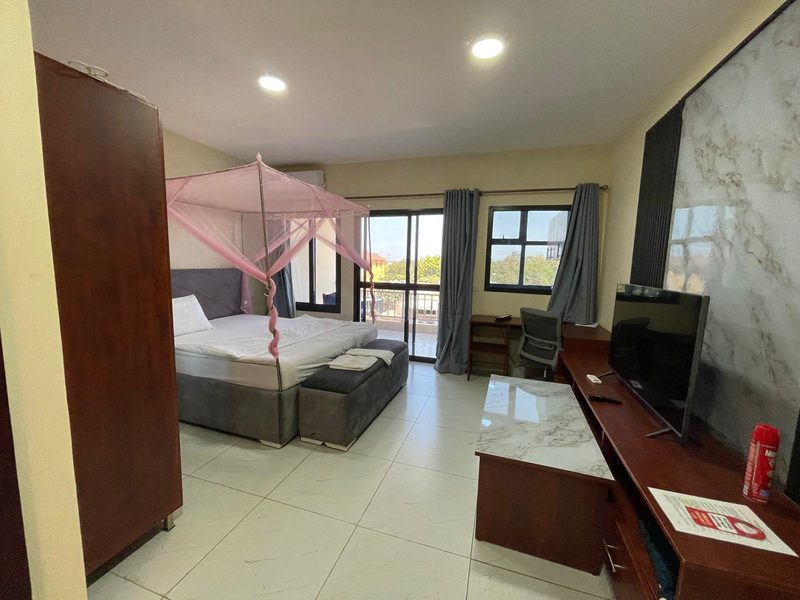
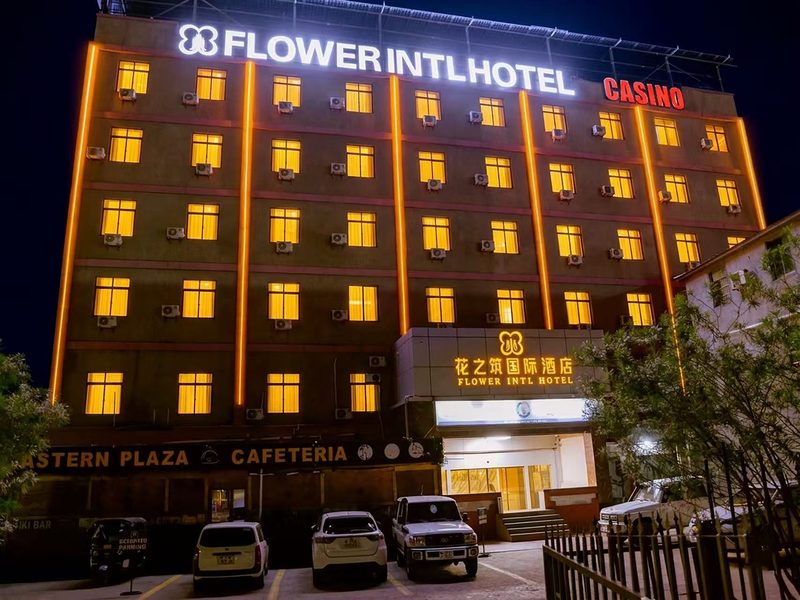
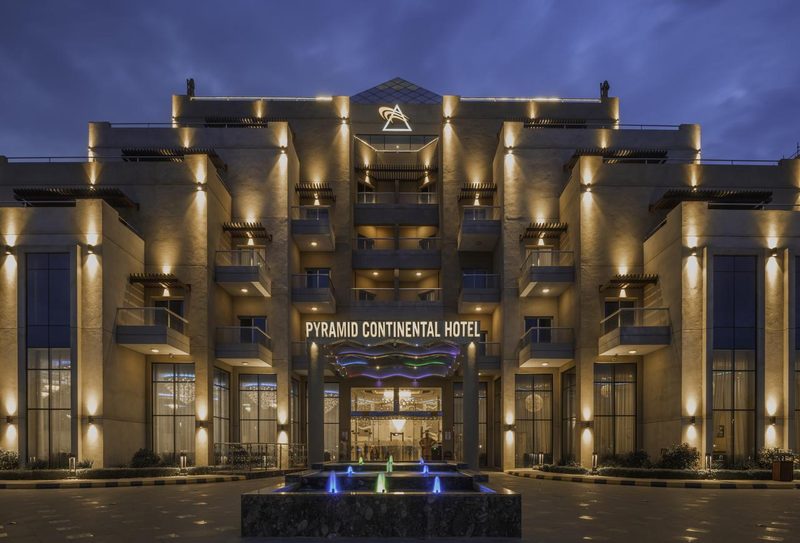
Hand-picked hotels across price tiers for August travellers.
Packing Checklist
Bookmark this page — your progress is saved between visits
Need the full list with shopping links?
Climate-specific gear, brand recommendations, and what to leave at home.
View South Sudan Packing List →Essential Tips
Insider knowledge and common pitfalls to avoid
Insider Knowledge
South Sudan requires a visa for almost all nationalities, and the process is neither quick nor predictable. Apply through the nearest South Sudanese embassy at least six to eight weeks before your travel date, and expect the process to involve a letter of invitation from an organization or individual in-country. Tourist visas exist in theory but are rarely issued without a stated purpose and a local sponsor. Do not arrive expecting visa-on-arrival to work smoothly.
Cash is king, and the South Sudanese Pound fluctuates significantly. US dollars in clean, post-2006 bills are the preferred foreign currency and are accepted widely in Juba. ATMs exist but are unreliable, often empty, and should never be your primary plan. Bring enough US dollars in cash for your entire stay, in a mix of denominations, and keep them in multiple secure locations on your person and in your luggage.
The best time of day to do anything outdoors in August is between 6 AM and 9 AM. By mid-morning the humidity becomes physically draining, and afternoon storms typically build between 2 PM and 5 PM. Locals structure their day around this rhythm, with a slower period through the hottest hours, and you should too. Trying to push through midday on foot is a recipe for heat exhaustion.
If you are in South Sudan for any reason other than organized humanitarian or diplomatic work, register with your embassy and carry their emergency contact number at all times. Have an evacuation plan that does not depend on road transport, because in August, roads fail. Know where the nearest functional airstrip is relative to your location, and understand that commercial flights out of Juba can be cancelled or rerouted with little notice.
Avoid These Mistakes
Underestimating the road situation. Travelers arriving in the dry season sometimes hear that the Juba-Nimule highway is paved and assume all major routes are similarly navigable. They are not. In August, even short distances off tarmac can take hours or become completely impassable. A journey that takes two hours in January might take eight in August, or might not be possible at all. Plan every movement around current road intelligence, not maps.
Juba does not work like other East African capitals. Nairobi and Kampala have established tourism infrastructure, reliable mobile data, international restaurant chains, and ride-hailing apps. Juba has almost none of this. Mobile network coverage drops unpredictably. Power cuts are routine. The service economy that travelers rely on elsewhere barely exists here. Arrive self-sufficient. Expect to solve problems with cash, patience, and personal relationships rather than apps and websites.
Photographing without understanding the consequences. Pointing a camera at military personnel, government buildings, checkpoints, or bridges in South Sudan can result in detention, confiscation of equipment, or worse. Even photographing civilians without permission can cause confrontation. The reflex to document everything that feels unfamiliar or photogenic must be controlled. Ask first, always. Accept no as final. The Mundari cattle camps, while photogenic, also require negotiated access and compensation. Showing up with a long lens and no introduction is not acceptable.
Ready to plan your trip to South Sudan?
Now that you've got the research covered, here's where to go next.
Explore More Activities in South Sudan
Didn't see anything interesting yet?
Browse Viator's full catalog of tours, day trips, food experiences, and private guides in South Sudan.
See All South Sudan Tours on Viator