Things to Do in South Sudan in November
November weather, activities, events & insider tips
Low Season · Budget Friendly
November Weather in South Sudan
Long-run averages for November in Juba
94°F (34°C)
High Temp
69°F (20°C)
Low Temp
1.7 inches (43 mm)
Rainfall
55%
Humidity
11
Sunny-Day UV
⚠ Malaria risk remains elevated in November due to residual standing water from the wet season. Prophylaxis is essential, not optional. Consult a travel medicine specialist at least six weeks before departure for the appropriate regimen, and carry a rapid diagnostic test kit in case of symptoms in remote areas where medical facilities are absent.
⚠ November sits on the wet-to-dry transition, and while rainfall drops sharply from preceding months, short intense storms still occur, in the first half of the month. Roads outside Juba that appear passable can become impassable within hours of a heavy downpour, and river crossings that looked manageable in the morning may not be by afternoon. Always confirm road conditions on the day of travel.
⚠ The heat at 34°C (94°F) combined with equatorial sun intensity poses a real risk of heat exhaustion and heatstroke, for travelers arriving from cooler climates. Hydrate aggressively, starting before you feel thirsty, and carry oral rehydration salts. The combination of heat and limited medical access outside Juba makes heat-related illness a serious logistical problem, not just a discomfort.
Making the most of November in South Sudan? Browse tours and activities in South Sudan on GetYourGuide.
Is November Right for You?
Weigh the advantages and considerations before booking
Advantages
- + November sits at the pivot point. South Sudan's brutal wet season ends. The long dry stretch begins. Rainfall plummets from October's 4.5 inches (114 mm) to just 1.7 inches (43 mm). Roads that served as impassable red-mud channels for five months finally firm up. Overland travel becomes possible again. The bush dries. Grass shortens. Wildlife clusters near remaining water sources. Serious game-viewing returns to places like Boma and Bandingilo for the first time in months.
- + Juba's humidity crashes hard. August's suffocating 82% drops to a manageable 55%. The city transforms. Mornings before 9 AM feel almost pleasant now. The air carries drying earth instead of swamp-heavy dampness. The White Nile shifts to milky jade as sediment loads fall. You can walk the riverfront without gasping. No more wet cloth over your face.
- + November brings the cattle camps. Mundari and Dinka herders consolidate near Nile floodplains outside Juba as inland water sources vanish. These camps deliver one of Africa's most striking visual experiences. Herders coat skin and cattle in pale wood ash against insects. The timing matters. Camps form because rains have ended. November catches them early, before crowds arrive. January and February bring the organized tours. Go now.
- + Visitor numbers stay microscopic. South Sudan ranks among the least visited sovereign nations globally. November follows this pattern. Recent years saw perhaps a few thousand leisure visitors total. At major sites, you will likely stand alone. No queues. No reservation games. No crowds. You meet this place exactly as it is.
Considerations
- − Security here demands respect. The situation shifts unpredictably, unlike most destinations. Juba has held relatively stable recently. Elsewhere, violence ignites fast. Jonglei, Unity, Upper Nile, see intercommunal clashes and armed conflict flare without warning. Travel beyond the capital requires current intelligence. You need a vetted local fixer. Flexibility is mandatory. Plans change instantly. Do not improvise here.
- − Infrastructure crumbles fast outside Juba. Many mapped roads are seasonal tracks. November's lingering moisture still challenges passage. Domestic flights fail. Fuel shortages strike randomly. Medical care beyond basics exists only in Juba. A medical evacuation plan is essential. Travel insurance must explicitly cover conflict zones. These are prerequisites. Not extras.
- − The heat hits hard. Juba averages 34°C (94°F) in November. Noon to 4 PM proves brutal. Residual humidity compounds the physical drain. UV index reaches 11 on clear days. Extreme by any measure. Plan around this. The heat dictates your schedule. Push through midday and heat exhaustion will wreck your trip.
Short on time in November? See day trips around South Sudan on GetYourGuide.
Best Activities in November
Top things to do during your visit
Mundari Cattle Camp Visits Near Juba
The Mundari cattle camps, roughly 60 km (37 miles) north of Juba, rank among Earth's most visually arresting human landscapes. November initiates camp formation as rains end. Herders gather long-horned Ankole cattle near permanent water. Dawn delivers the spectacle. Hundreds of cattle silhouette against smoke from smoldering dung fires. Young men wear pale ash head to toe. The ash catches early light. Cattle hum. Ash and animal warmth fill the still air. By 6:30 AM, light turns extraordinary. Gold rakes across camp. Herders welcome respectful visitors who arrive with local guides and follow protocol. Arrive at first light. By 10 AM, heat makes camps uncomfortable for all. The visual magic fades.
Booking Tip: Skip the standard platforms. You need a Juba-based fixer with Mundari community ties. Book two to three weeks ahead. Bring a respectful gift. Ask your guide what works, as expectations vary. Photography is usually welcome. Always ask first. Expect community compensation as part of the arrangement. Check the booking section below for current guided cultural experience options.
Boma National Park Wildlife Expeditions
Boma National Park in eastern South Sudan once hosted one of Earth's largest land mammal migrations. White-eared kob, tiang antelope, and Mongalla gazelle moved in herds numbering hundreds of thousands historically. November improves viewing as bush dries and animals cluster near water. Impenetrable wet-season grass finally thins. The park sprawls vast and remote. Zero safari infrastructure exists. No lodges. No marked tracks. No gift shops. What remains: open savanna to every horizon, dry-grass scent of African bush, birdsong between wind gusts, and the chance to witness wildlife aggregations almost no tourist alive has seen. This is expedition travel. Not a game drive.
Booking Tip: Boma demands full expedition logistics. Vehicle support, camping equipment, fuel reserves, satellite communication, and an armed escort arranged through South Sudan's Wildlife Service are non-negotiable. Start planning two months minimum. Work only with operators who have verifiable recent experience in the park. Road conditions in November are improving but remain unpredictable. The drive from Juba takes multiple days. See the booking section below for expedition operators with South Sudan experience.
White Nile River Excursions from Juba
The White Nile cuts straight through Juba. November's dropping water levels and reduced current make the river more navigable and more interesting than during high-water months. Banks emerge from flood cover. Mudflats appear, and wading birds crowd them in dense, noisy colonies. African fish eagles perch in riverside trees. Their high whistle carries across the water. Nile monitors sun themselves on rocks still warm from afternoon heat. A morning boat trip upstream from Juba reveals a landscape that shifts fast. Urban edge gives way to papyrus marsh and open floodplain within twenty minutes. Concrete and corrugated roofing fade behind you. The thump of music from riverside bars disappears. The river itself is wide, slow, tea-brown in November as the last wet-season sediment clears. It turns surprisingly quiet once you leave the city. The breeze off the water is the closest thing to air conditioning outside a hotel lobby.
Booking Tip: River trips can be arranged through guesthouses and local operators in Juba, typically with a day or two of notice. Insist on life jackets. Demand a boat in visibly sound condition. Morning departures before 8 AM are best. The heat by midday turns open water into a reflective oven. Afternoon winds can make smaller boats uncomfortable. See the booking section for current river tour availability.
Juba Market and Street Food Walking Routes
Konyo Konyo market is Juba's large central market. It is the sensory and commercial heart of the city. It is the single best place to understand how South Sudan lives. November's lower humidity makes walking the market bearable in a way that August never is. The lanes carry the smell of roasting groundnuts. Dried fish stack in silver-scaled pyramids. Fresh okra piles on plastic sheets with a sharp vegetable tang. Women sell kisra, the fermented sorghum flatbread that is the country's staple starch. It is thin, slightly sour, with a texture somewhere between a crepe and injera. Ful medames appears at breakfast stalls. This slow-cooked fava bean dish comes from Sudanese food traditions. It arrives with a slick of sesame oil, a squeeze of lime, and enough cumin to make your eyes water. Custom Market nearby deals in electronics and imported goods. Konyo Konyo is where the food is. It is where the city's character announces itself most honestly. The noise alone is something. Haggling in Arabic, Juba Arabic, Dinka, Bari, and English layers over itself in a constant low roar.
Booking Tip: No formal tour is necessary. Going with a local companion transforms the experience from intimidating to illuminating. Many Juba guesthouses can connect you with a guide for a walking tour. Go early, between 7 and 10 AM. The light is softer then. The heat is manageable. Vendors are freshly stocked. Keep valuables out of sight. Dress modestly. See the booking section below for guided cultural walks in Juba.
Nimule National Park Day Trips
Nimule National Park sits on the Ugandan border roughly 200 km (124 miles) south of Juba. The White Nile squeezes through a rocky gorge here before widening into the flat plains of South Sudan. The park is one of the more accessible wildlife areas in the country. November's drier conditions make the Juba-to-Nimule road reliably passable. It is paved for most of its length. Hippo pods crowd the narrower stretches of the Nile. Their grunting is audible before you see them. They surface with that distinctive wet-leather sheen and a spray of river water. The riverine forest along the banks supports Uganda kob and olive baboons. If you are quiet and lucky, you might spot an occasional elephant moving through from the Ugandan side. The landscape is greener and hillier than Juba's flat surroundings. The Imatong Mountains are visible to the east. The quality of light in late afternoon, filtered through the dust of the drying savanna, turns the river gold.
Booking Tip: Nimule works as a long day trip from Juba. It also works as an overnight with camping. The drive takes roughly four hours each way on a good day. An overnight stay is the more reasonable option. Arrange transport and a guide through Juba-based operators. November road conditions are generally good on the main highway. Confirm current status before departure. Park entry arrangements should be confirmed in advance through the wildlife authorities. See the booking section for current options.
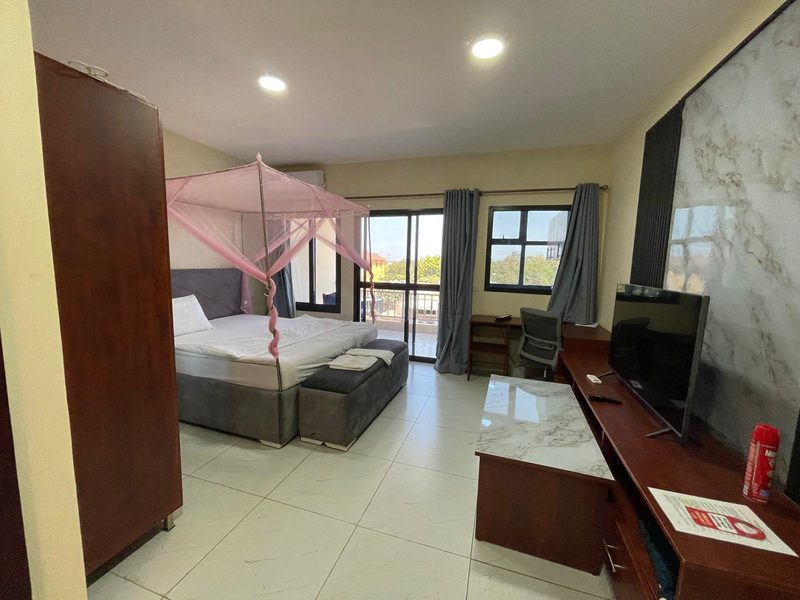
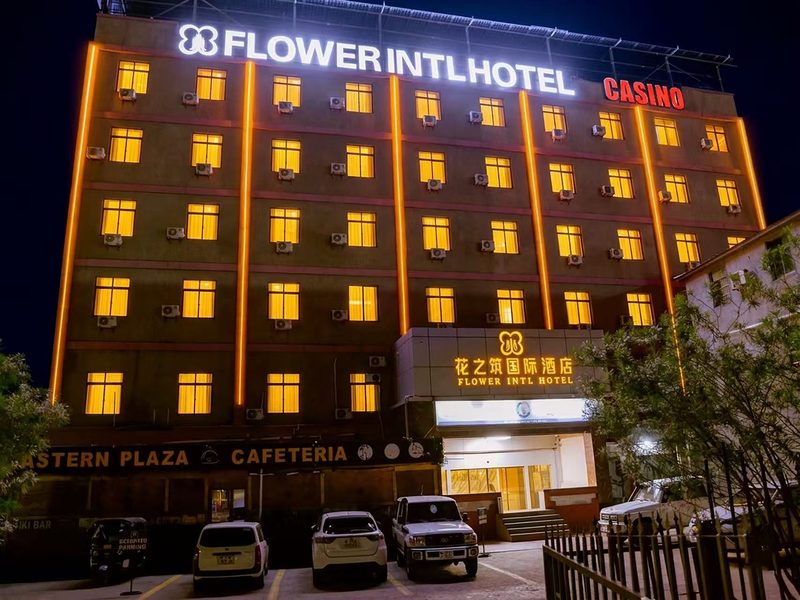
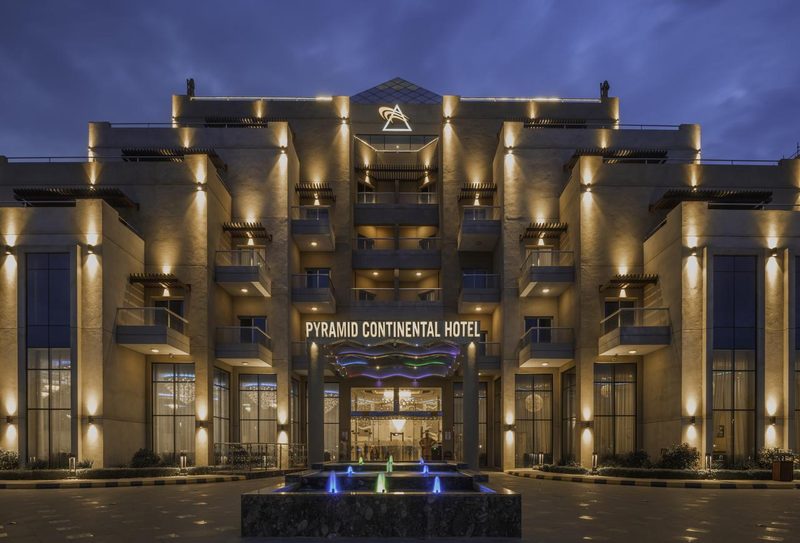
Where to Stay in South Sudan in November
Hand-picked hotels across price tiers for November travellers.
Packing Checklist
Bookmark this page — your progress is saved between visits
Need the full list with shopping links?
Climate-specific gear, brand recommendations, and what to leave at home.
View South Sudan Packing List →Essential Tips
Insider knowledge and common pitfalls to avoid
Insider Knowledge
Everyone wants to know if South Sudan is safe. The honest answer: it depends entirely on where you go, how you travel, and with whom. Juba itself has been comparatively stable in recent years. Foreigners who stay within the city, travel with local contacts, and avoid moving after dark manage the risk. Levels become comparable to other challenging African capitals. Outside Juba, the calculus changes sharply. States like Jonglei, Unity, and Upper Nile have experienced intercommunal violence that can erupt with minimal warning. Roads that look straightforward on a map may pass through contested areas. The non-negotiable: travel with a vetted local fixer. Register with your embassy. Carry a working satellite phone. Accept that plans may change at zero notice. People who approach South Sudan with this framework have meaningful, transformative experiences. People who approach it like a standard holiday destination are taking risks they do not understand.
Juba Arabic, not Modern Standard Arabic or English, is the true lingua franca of daily life in Juba. Learning even a dozen phrases transforms interactions. 'Keif?' (how are you?). 'Shukran' (thank you). 'Tamam' (good, okay). 'Bi kam?' (how much?). These will get you through markets and taxi negotiations with a warmth that English alone does not unlock. The city operates in a layered language environment. Bari, Dinka, Nuer, and English overlap with Juba Arabic. It is Juba Arabic that moves through all of them as the connective tissue.
November's food in Juba reflects the seasonal pivot. The last of the wet-season greens, molokhia (jute leaf, cooked into a dark, viscous stew with a slippery texture and an earthy, almost spinach-like flavor), are still available in Konyo Konyo market. Alongside them come the first of the dry-season staples: dried fish and dried okra that vendors pound into powder for stews. Kisra with goat stew is the default meal. Seek out asida. This is the stiff sorghum porridge served in a communal dish and eaten by pinching off pieces with your right hand, dipping into a peanut-based sauce called naimiya. It is humble food. It is filling and flavored. It is the dish that South Sudanese themselves eat when they eat at home.
Accommodation in Juba is limited. It is expensive relative to what you receive. It books up faster than you might expect given the low tourist numbers. The market is dominated by NGO workers, diplomats, and business travelers who occupy rooms on long-term contracts. Book your Juba accommodation at least three to four weeks ahead in November. Confirm twice. Have a backup option identified. Outside Juba, accommodation effectively means camping or staying in mission compounds or community guesthouses arranged through your local contact. There is no booking platform that covers this. Your fixer is your booking system.
Avoid These Mistakes
Never arrive without a local fixer or contact already arranged. South Sudan is not a destination where you land and figure it out. There are no tourist information offices. There are no hop-on-hop-off buses. There is no English-language signage outside of a few NGO compounds. Everything from transport to park access to navigating checkpoints requires someone who knows the current local dynamics. Travelers who arrive without this support structure waste days solving logistics problems that a connected local resolves with a phone call.
Underestimating the heat and failing to structure the day around it. November's 34°C (94°F) near the equator feels significantly worse than the same temperature at higher latitudes because the sun is almost directly overhead. First-time visitors who schedule midday activities end up heat-exhausted by 2 PM and useless for the rest of the day. The functional window is 6 to 10 AM and 4 to 6 PM. Midday is for shade, hydration, and rest, exactly as the locals handle it.
Assuming that visa and permit processes work smoothly or quickly. South Sudan's visa requirements are real and bureaucratic, and the process can involve delays that are unpredictable. Apply well in advance through the nearest South Sudanese embassy, carry extra passport photos, and build buffer days into your itinerary for administrative friction. Travel permits for areas outside Juba may require additional approval from security services, and your fixer should handle this. But it takes time. Arriving at a checkpoint without the correct paperwork is not a minor inconvenience: it can end your trip to that destination.
Ready to plan your trip to South Sudan?
Now that you've got the research covered, here's where to go next.
Explore More Activities in South Sudan
Didn't see anything interesting yet?
Browse Viator's full catalog of tours, day trips, food experiences, and private guides in South Sudan.
See All South Sudan Tours on Viator