Things to Do in South Sudan in March
March weather, activities, events & insider tips
Low Season · Budget Friendly
March Weather in South Sudan
Long-run averages for March in Juba
99°F (37°C)
High Temp
74°F (23°C)
Low Temp
1.4 inches (36 mm)
Rainfall
38%
Humidity
13
Sunny-Day UV
⚠ Extreme heat with daily highs averaging 37°C (99°F) in Juba creates serious dehydration and heatstroke risk, for travelers arriving from temperate climates. Limit outdoor exposure between 10 AM and 3 PM. Maintain aggressive fluid and electrolyte intake throughout the day.
⚠ Malaria transmission is active year-round across South Sudan, with mosquito density increasing near the Nile and any standing water. Begin prophylaxis medication before arrival per your travel clinic's protocol. Use DEET repellent and bed nets without exception.
⚠ Late March marks the transition toward the wet season, and isolated heavy thunderstorms can arrive with little warning, in the final week. These storms are brief but intense. Unpaved roads can become temporarily impassable even from a single downpour. Carry recovery gear if driving outside Juba. Monitor sky conditions in the afternoon.
Making the most of March in South Sudan? Browse tours and activities in South Sudan on GetYourGuide.
Is March Right for You?
Weigh the advantages and considerations before booking
Advantages
- + March marks late dry season. In South Sudan, that distinction matters more than anywhere else on Earth. Unpaved roads across Jonglei, Eastern Equatoria, and the Greater Bahr el Ghazal region stay passable. This single factor determines whether you can move beyond Juba at all. Come April, 112 mm (4.4 inches) of rain transforms those same routes into impassable mud. Entire regions seal themselves off for months.
- + Wildlife clusters around the last water sources in Boma and Nimule National Parks. March delivers some of your best sighting odds of the year. The white-eared kob migration still crosses the eastern plains. This ranks among the largest surviving mass animal movements on the African continent. Track them through the grasslands between Boma and the Ethiopian border.
- + Humidity hovers at 38%. That is less than half August's brutal 82%. The heat punishes either way. But in March, your sweat evaporates. Your clothes dry. The air does not press against your chest like wet season. That difference matters more than it sounds.
- + South Sudan sees almost no leisure visitors, ever. March arrives before the aid-sector rotation increase that peaks April through June. Juba's handful of guesthouses and hotels face marginally less demand now than they will in six weeks. Charter flight availability for remote parks tends to improve slightly before rains close your options.
Considerations
- − Juba's average high hits 37°C (99°F). This is not warm weather. It is extreme, punishing heat that confines meaningful outdoor activity to before 9 AM and after 4 PM. Midday in March feels like standing inside a clay oven with the door cracked. Heatstroke poses genuine medical risk here. Dehydration strikes fast at these temperatures. Do not underestimate it.
- − Security conditions stay unpredictable across much of the country. Road travel outside Juba demands advance local intelligence. You need a trusted fixer who knows the current ground situation in each area you plan to cross. Build realistic contingency plans for when things change. No adventurous spirit replaces honest security assessment. Situations shift between planning and driving.
- − Conventional tourism infrastructure does not exist here. No tourist information desks. No hop-on-hop-off circuits. No reliably bookable experiences through international platforms. Accommodation outside Juba ranges from basic NGO guesthouses to nothing at all. The few Juba hotels accepting international visitors charge rates wildly disproportionate to what they offer. Captive demand from the aid and diplomatic community drives this.
Short on time in March? See day trips around South Sudan on GetYourGuide.
Best Activities in March
Top things to do during your visit
Boma National Park Wildlife Expeditions
Boma National Park sprawls across roughly 22,800 square kilometres (8,800 square miles) of savanna and floodplain in the far east, near the Ethiopian border. March reveals the park at its finest. Dry season has stripped grass to stubble and concentrated animals around remaining pools and seasonal rivers. White-eared kob, tiang, and Mongalla gazelle move through in herds numbering hundreds of thousands. They are easier to locate now than any other time. Early morning air smells of sun-baked earth and dry acacia. Sound carries for kilometres across flat terrain. You hear herds before you see them. A low rumble builds into the visual shock of thousands moving together. Getting here requires a chartered flight from Juba to a bush strip. Or a multi-day overland journey only viable because it remains dry. March is likely your last reliable window. Rains will close road access entirely. This is not polished safari. No lodges. No gift shops. No cold drinks waiting at camp. You sleep in tents. Your guides are local community rangers. Logistics demand serious advance planning through operators with genuine South Sudan ground experience. But what you see here, if you make the effort, ranks among the last great wildlife spectacles left on Earth.
Booking Tip: Begin planning at least three months ahead. You need a fixer or expedition operator with current ground contacts in Boma. Charter flight arrangements from Juba are essential. All camping and supply logistics must be self-contained. See the booking section below for current options. Most Boma arrangements require direct coordination with specialist East Africa expedition outfitters. Standard platforms will not work here.
White Nile River Experiences from Juba
The White Nile flows directly through Juba, wide and brown and slow. In March, low water exposes sandy banks on the eastern shore. Local fishermen haul in Nile perch and tilapia using hand-thrown nets. Early morning on the river, before heat clamps down, offers genuine peace in a city that otherwise runs on diesel generators and UN logistics traffic. Light at 6 AM turns the water copper-gold. The smell is river mud and woodsmoke from cooking fires along the bank. Arrange boat trips through local contacts. These range from short crossings to half-day journeys upstream where city noise fades and banks turn to papyrus and ambatch woodland. Birdlife along the Juba stretch in dry season surprises: African fish eagles, pied kingfishers, and open-billed storks appear even on short trips. This is not luxury river cruise. The boats are basic. Shade is whatever you bring. Safety equipment is your own responsibility. But the Nile here possesses something famous stretches lack. It is completely unhurried, unpackaged, and yours.
Booking Tip: Arrange through your guesthouse or local fixer in Juba. There are no formal booking platforms for Nile river trips in South Sudan. Go early. Depart before 7 AM to catch the cooler hours and the best light. Confirm the boat condition. Bring your own water, sun protection, and a life jacket if you have one. Check current options in the booking section below.
Nimule National Park and Fola Rapids
Nimule sits in the far south, right against the Ugandan border, and it is the most accessible national park in South Sudan, roughly 200 kilometres (124 miles) from Juba along the main highway south. March makes the drive manageable, maybe five to six hours depending on road conditions, and the park itself is compact enough to explore meaningfully in a day or two. The Fola Rapids, where the White Nile forces itself through a narrow rock gorge with enough violence to hear the water roaring from 500 metres (1,640 feet) away, are the centrepiece. The mist rising off the rapids creates a micro-climate that feels ten degrees cooler than the surrounding bush, and the rocks along the gorge rim are slick with spray, moss-green and smelling of wet stone and vegetation. Hippo pods are resident in the calmer stretches above and below the rapids, and you will see them, grey and glistening, surfacing in groups of twenty or more. Crocodiles patrol the banks with that unsettling stillness. The surrounding woodland holds Uganda kob, olive baboons, and vervet monkeys, and in the dry season they cluster closer to the river where the browse is still green. Nimule is rougher than most East African parks. It is infinitely more real. You and your guide might be the only visitors that week.
Booking Tip: Arrange a vehicle and guide through contacts in Juba before departing. The Juba-to-Nimule road is the country's most-traveled route but still requires a capable 4x4 and a driver who knows the current checkpoints. Plan for an overnight stay in Nimule town. Book at least two weeks ahead to secure transport. See booking section below for any listed options.
Dinka and Mundari Cattle Camp Cultural Visits
March is the heart of the dry-season cattle camp period, when Dinka and Mundari pastoralist communities gather their long-horned Ankole cattle along the banks of the Nile and its tributaries north of Juba. The Mundari camps around Terekeka, roughly 75 kilometres (47 miles) north of the capital, are the ones most visited by the rare outsiders who make it here, and what you encounter is not a cultural performance staged for cameras. It is daily life: young men coating their skin and their cattle's horns with ash from smouldering dung fires, the acrid, smoky smell hanging in the still morning air, the low bellowing of hundreds of cattle stirring at dawn. The bond between the Mundari and their animals is visible in ways that are hard to explain until you see a herder singing to a specific ox, stroking its flanks, calling it by name. The camps operate on their own rhythm, and visiting requires both a local guide who has an existing relationship with the community and genuine respect for the fact that you are entering someone's home, not a tourist attraction. March's dry heat keeps the camps stable and accessible, unlike the wet months when flooding scatters the herds.
Booking Tip: This requires a local cultural guide with established relationships in the Mundari or Dinka communities. Do not attempt to visit a cattle camp unannounced. Arrange through your accommodation or fixer in Juba at least a week in advance. Expect to bring gifts, typically salt or basic supplies, and always ask before photographing. Check the booking section below for guided cultural experiences.
Juba Market Walking and South Sudanese Food
Konyo Konyo Market in central Juba is the commercial heart of the city, and walking it in March means navigating narrow lanes between stalls piled with sorghum, dried okra, groundnuts, and the small fiery chillies that anchor South Sudanese cooking. The air smells of roasting sesame, charcoal smoke, and the sweet fermented tang of merissa, the local sorghum beer that vendors serve from plastic jerrycans. South Sudan's food draws from Sudanese, East African, and its own Nilotic traditions. Breakfast in Juba is likely ful medames, slow-stewed fava beans slicked with sesame oil and ground cumin, scooped with rounds of kisra, a sour fermented flatbread made from sorghum that has a texture somewhere between Ethiopian injera and a French crepe, thinner and slightly more brittle at the edges. For later in the day, Nile tilapia grilled whole over charcoal at waterfront stalls along the river bank is the meal that defines Juba eating: the fish skin crackles and blackens, the flesh stays moist and flakes apart with a squeeze of lime, and you eat it with your hands, sitting on a plastic chair with the Nile sliding past. March's heat means eating heavy in the middle of the day feels wrong, and locals tend to eat their main meal after sundown when the temperature drops and the city exhales. Follow that instinct.
Booking Tip: Explore markets with a local companion, both for navigation and for understanding what you are looking at. Konyo Konyo is safe during daylight hours but can be disorienting alone. For food, your guesthouse staff will know which riverside stalls are serving that day. No advance booking needed for market visits or street food, just start early before the worst heat. See the booking section below for any guided food experiences.
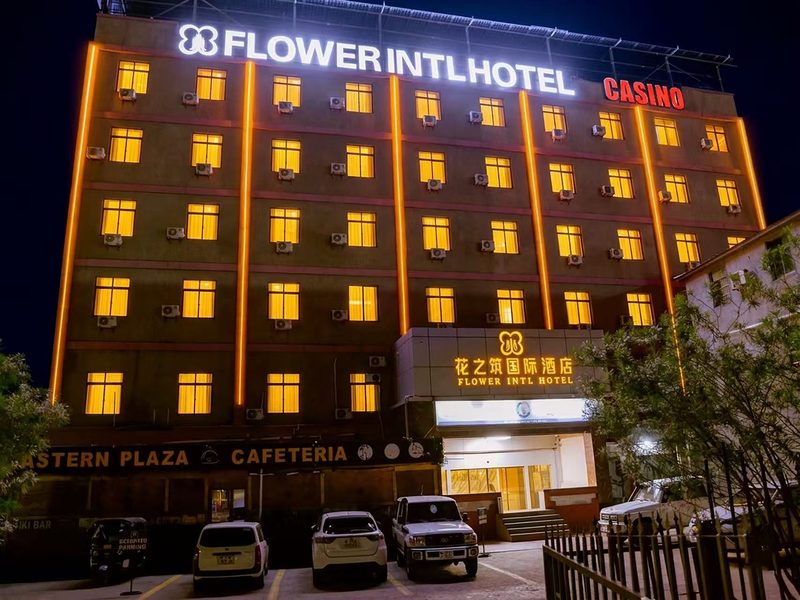
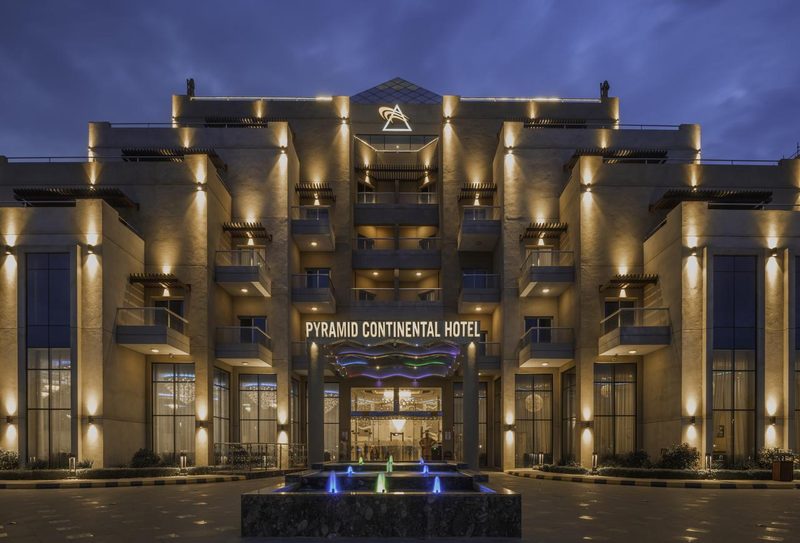
Where to Stay in South Sudan in March
Hand-picked hotels across price tiers for March travellers.
Public Holidays in March
Dates that affect opening hours, transport and crowds
Good Friday
Observed nationwide as a public holiday.
Holy Saturday
Observed nationwide as a public holiday.
Easter Sunday
Observed nationwide as a public holiday.
Easter Monday
Observed nationwide as a public holiday.
Packing Checklist
Bookmark this page — your progress is saved between visits
Need the full list with shopping links?
Climate-specific gear, brand recommendations, and what to leave at home.
View South Sudan Packing List →Essential Tips
Insider knowledge and common pitfalls to avoid
Insider Knowledge
Safety in South Sudan is not a binary question, and anyone who answers 'is South Sudan safe' with a simple yes or no is not being honest with you. The Juba-Nimule highway and central Juba itself are broadly manageable with normal precautions and local awareness. Other parts of the country range from calm to actively dangerous depending on intercommunal tensions, seasonal displacement, and political dynamics that shift faster than any guidebook can track. The only reliable safety information comes from people on the ground right now: your fixer, your guesthouse operators, UNMISS security briefings if you can access them, and the NGO community that has been navigating these conditions for years. Plan conservatively, travel during daylight only, and never assume that a route that was fine last week is fine today.
Visa requirements for South Sudan involve obtaining a visa from a South Sudanese embassy before arrival. There is no reliable visa-on-arrival process, despite occasional reports to the contrary. The embassy in Kampala, Uganda is the most commonly used by travelers approaching from East Africa, and processing times are unpredictable, so allow at least two to three weeks and have your letter of invitation or travel purpose documentation ready. Showing up at Juba International Airport without a valid visa is a serious problem with no convenient solution.
Accommodation in Juba operates on scarcity economics. The handful of international-standard hotels and guesthouses cater primarily to the UN, NGO, and diplomatic community, and rates reflect captive demand rather than quality. Booking ahead is not optional, it is structural. Most guesthouses will want confirmed dates and sometimes payment before arrival. Outside Juba, accommodation effectively means camping, staying at mission stations if arrangements are made through church contacts, or sleeping in your vehicle. If you are visiting South Sudan expecting to sort lodging on arrival, you will likely end up in a difficult situation.
South Sudanese food outperforms its near-nonexistent international reputation by a wide margin. Ful medames for breakfast. Kisra with peanut stews. Grilled Nile fish. The dried okra and sesame sauces deliver surprising complexity. Merissa, the traditional sorghum beer, lands sour and lightly fizzy, somewhere between kombucha and farmhouse ale. Sharing it matters socially. Ask your guesthouse staff or fixer where they eat. Not where they think foreigners should eat. The answer improves every time.
Avoid These Mistakes
Treating South Sudan as a conventional destination where you improvise on arrival. This is the single most consequential mistake. Transport, accommodation, security, park access, and community visits all require advance arrangement through people with current local knowledge. Arriving in Juba with a backpack and a plan to figure it out is not adventurous. It is reckless. The infrastructure that lets you wing it in Kenya or Uganda does not exist here.
Underestimating the heat and its compounding effects. At 37°C (99°F), dehydration works against you faster than intuition suggests, with 38% humidity that wicks moisture off your skin without visible sweat. First-time visitors routinely push through midday hours. They end up debilitated by afternoon. Structure your days like Juba residents: active before 9 AM, indoors or resting through the worst hours, then back out after 4 PM when shadows lengthen and temperatures drop toward 30°C (86°F).
Photographing people at cattle camps and markets without explicit permission. South Sudan's pastoralist communities hold strong views on photography, ranging from welcoming to hostile depending on context, relationship, and individual preference. Pointing a camera at a Mundari herder without greeting them, sitting with them, and asking through your guide whether photos are acceptable is not merely rude. It can end your visit immediately. It burns bridges for future visitors. The best photographs come from patience and relationship, never from a long lens aimed across a fence.
Ready to plan your trip to South Sudan?
Now that you've got the research covered, here's where to go next.
Explore More Activities in South Sudan
Didn't see anything interesting yet?
Browse Viator's full catalog of tours, day trips, food experiences, and private guides in South Sudan.
See All South Sudan Tours on Viator