Things to Do in South Sudan in April
April weather, activities, events & insider tips
Low Season · Budget Friendly
April Weather in South Sudan
Long-run averages for April in Juba
95°F (35°C)
High Temp
74°F (23°C)
Low Temp
4.4 inches (112 mm)
Rainfall
54%
Humidity
13
Sunny-Day UV
⚠ April brings the wet season to South Sudan. Afternoon thunderstorms build fast over Juba and the surrounding savanna. Intense downpours arrive, typically brief, often dumping heavy rain in under an hour. Roads outside Juba flood quickly. Laterite surfaces turn dangerously slick. Flash flooding threatens low-lying areas near the Nile. Risk rises later in the month as cumulative rainfall saturates the ground. Pack patience.
⚠ Malaria transmission spikes with early rains. Standing water breeds Anopheles mosquitoes across the country. April through October marks peak malaria season. South Sudan's Plasmodium falciparum strain ranks among the most dangerous globally. Prophylaxis, bed nets, and DEET-based repellent are mandatory. Do not pick one. Use all three.
⚠ Heat stress becomes a genuine medical concern at 35°C (95°F) with climbing humidity. April's combination of high temperatures and rising moisture cripples the body's cooling mechanisms, far less effective than in drier months. Limit strenuous activity to early morning and late afternoon. Hydrate aggressively. Add electrolytes. Learn heat exhaustion symptoms before they escalate. Act early.
Making the most of April in South Sudan? Browse tours and activities in South Sudan on GetYourGuide.
Is April Right for You?
Weigh the advantages and considerations before booking
Advantages
- + April drags South Sudan out of its brutal dry season. The first rains hit. Dust gives way to green. The savanna around Juba and the White Nile corridor softens from burnt brown to living grass almost overnight. Heat breaks. Haze lifts. Photographers get their window. Light turns gentle. The country looks sharp.
- + The Mundari cattle camps north of Juba stay active through early April. This is your last shot before dispersal. Dawn brings ash-dusted Ankole-Watusi cattle, smoke from burning dung hanging low, herders continuing cycles centuries old. Mid-May ends access. The camps move.
- + April sits in dead space. No tourism season exists. Guesthouses in Juba and Nimule have rooms. No booking wars. You might be the only foreign visitor in the country. Encounters stay raw. Direct. Unfiltered.
- + Early rains pull migratory birds into the Sudd wetland and Nile floodplains. Papyrus swamps south of Bor and riverine forests near Nimule pack shoebill storks, African fish eagles, and saddle-billed storks in numbers that compete with any continental wetland. April catches resident and Palearctic overlap. Heavy rains soon block access.
Considerations
- − Safety rules everything in 2027. The situation shifts by region. Juba and the Juba-Nimule corridor hold relative stability. Upper Nile, Unity, and Jonglei states stay off-limits or demand armed escort. Intercommunal violence, road banditry, and military checkpoints are real. Embassy briefings matter. Registered fixers matter. Flexibility matters. Cancel plans if needed. Do not improvise here.
- − Infrastructure lags behind East African norms. Juba roads flood. Fuel runs short. Mobile coverage dies outside the capital. Medical facilities barely exist. The nearest reliable hospital sits in Kampala, Uganda, 500 km (310 miles) south. Travel insurance with emergency evacuation coverage is mandatory.
- − April rains hit unevenly. Unpaved roads become red-clay bogs. The Juba-Bor road, already rough, can trap vehicles for days. Domestic flights exist. Schedules shift. Plan for days of delay. Carry water, food, fuel. Stay ready to be stranded.
Short on time in April? See day trips around South Sudan on GetYourGuide.
Best Activities in April
Top things to do during your visit
Mundari Cattle Camp Visits Along the White Nile
The Mundari camps sit 60 km (37 miles) north of Juba along the White Nile's east bank. These rank among East Africa's most striking cultural encounters. April catches the dry-season encampment's end. Hundreds of long-horned Ankole-Watusi cattle still gather. Arrive at 5:30 AM. Beat the 35°C (95°F) heat. Camps wake to smouldering cattle dung. The Mundari burn it as repellent. They rub it into skin and hides. Everything turns ash and ochre. Cattle low. Fires crack. Herders murmur. They did this before South Sudan had a name. You need a guide with camp relationships. Photography requires negotiation. Heat crushes by mid-morning. Cattle head to water. Depart Juba pre-dawn. Return by midday.
Booking Tip: Book through Juba fixers with Mundari contacts. Two weeks ahead. Minimum. Skip independent visits. Use a capable 4x4. Carry a full spare. Pack extra fuel. See booking options below for guided excursions.
White Nile Boat Excursions from Juba
The White Nile through Juba runs wide and brown. Papyrus beds and riverine forest thicken as April rains green the banks. Early boat trips upstream from Juba Bridge reveal a quieter capital. Grey crowned cranes lift from sandbanks. Monitor lizards slip into shallows. Fishermen in dugout canoes cast circular nets with practiced flicks. Humidity holds at 54%. Pre-9 AM temperatures sit near 25°C (77°F). A light breeze helps. Afternoon brings convective clouds. Get off the water before squalls. No dramatic gorges here. Stillness and breadth reward patience. Hippo pods cluster south of the city. Approach only with boatmen who know safe distances.
Booking Tip: Boatmen work from the riverbank near Juba's commercial district. Negotiate through your guesthouse or fixer. Skip independent waterfront approaches. Depart around 6 AM. Best conditions then. Life jackets are not standard. Bring your own inflatable if safety matters. Check the booking section below for river experiences.
Nimule National Park Wildlife Drives
Nimule National Park sits on the Ugandan border roughly 200 km (124 miles) south of Juba. It straddles the point where the White Nile narrows through rapids before crossing into South Sudan. April's early rains push wildlife toward remaining waterholes and river edges. Elephant herds, Uganda kob, and olive baboon troops concentrate in viewable numbers. The park is small by African standards. Its position on the Nile gives it a density of riverine species that larger, drier reserves lack. The drive from Juba takes six to eight hours on good days. Longer after rain. The road passes through some of South Sudan's most scenic country: rolling green hills dotted with mango trees, villages where sorghum dries on flat rocks, and roadside stalls selling roasted maize. That charred, smoky sweetness drifts through car windows. Nimule town has basic facilities. There is a crossing point into Uganda at Elegu if your itinerary loops south.
Booking Tip: This requires a full-day commitment each way. Travel with a registered guide. They know current park access status and checkpoint protocols. The park's infrastructure is minimal. Bring water, food, and fuel for the round trip. Combine with a border crossing into Uganda if your visa allows. See the booking section below for guided wildlife excursions in the region.
Juba Food and Market Walking Tours
South Sudan's food culture centers on sorghum, goat, and river fish. Juba's Konyo Konyo market brings these ingredients together in a sensory wall that hits you from half a block away: the sweet fermented tang of kisra dough in plastic buckets, the iron-and-smoke smell of tilapia grilling over charcoal, the sharp bite of raw onion and scotch bonnet chilies chopped in open-air stalls. Kisra is the national staple. It is a thin, slightly sour sorghum flatbread. Locals tear it into strips and use it to scoop up stews of okra, dried fish, and ground peanut. The texture is springy, almost crepe-like. The sourness cuts through the richness of accompanying sauces. The combination proves surprisingly addictive. April mornings before the heat peaks suit walking the market district. By 7 AM the fish sellers along the river end of Konyo Konyo have the freshest Nile perch, still glistening. Chai stalls serve heavily sweetened black tea with fresh ginger. It clears the early-morning haze from your head. Ful medames fuels most of Juba. These slow-stewed fava beans are mashed with sesame oil and cumin. Served on metal plates with flatbread and a fistful of raw chili.
Booking Tip: Walking the markets independently is possible in central Juba. A local companion transforms observation into participation. Arrange through your accommodation. Early morning visits between 6 and 9 AM beat the worst heat. They catch the freshest produce. See the booking section below for guided cultural and food experiences.
Sudd Wetland Birding Expeditions
The Sudd ranks among the largest freshwater wetland systems on Earth. It is a vast papyrus labyrinth fed by the White Nile that swells dramatically with rains beginning in April. Access is difficult. It requires either a chartered flight to Bor followed by boat travel, or a multi-day overland journey that early rains make unpredictable. For serious birders, the payoff is extraordinary. The Sudd hosts one of Africa's most significant populations of shoebill storks. These prehistoric-looking giants stand motionless in shallows for hours. They strike with violence that contradicts their stillness. April's rising water levels push fish into new channels. This concentrates feeding activity along papyrus edges. The air over the Sudd in early morning is heavy, warm, and smells of wet vegetation and mud. Thousands of birds layer into a continuous hum. Individual calls resolve only when you stop and listen. Pelicans, herons, kingfishers, and jacanas carpet floating vegetation mats. This is not a casual day trip. It is a committed expedition into one of the most remote ecosystems remaining in Africa.
Booking Tip: This requires specialist expedition planning. Use organizations with existing logistics in the Sudd region. Lead time of at least four to six weeks is realistic. Self-organized trips are not advisable. The remoteness and lack of emergency services make this dangerous. Satellite communication equipment is essential. Check the booking section below for any available guided birding or wildlife expeditions in South Sudan.
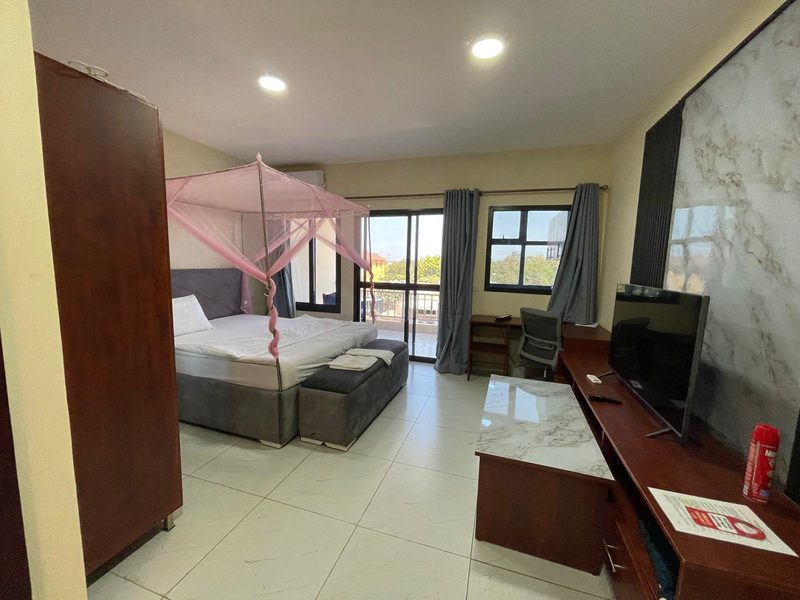
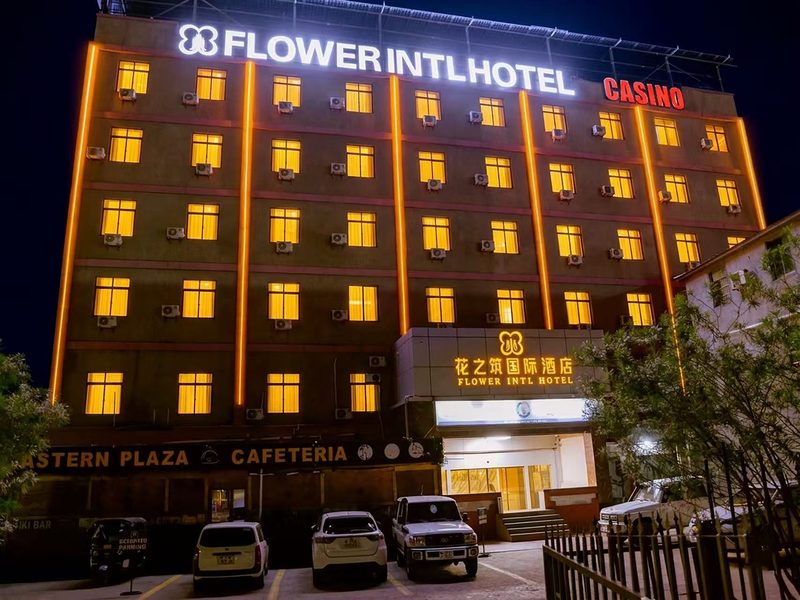
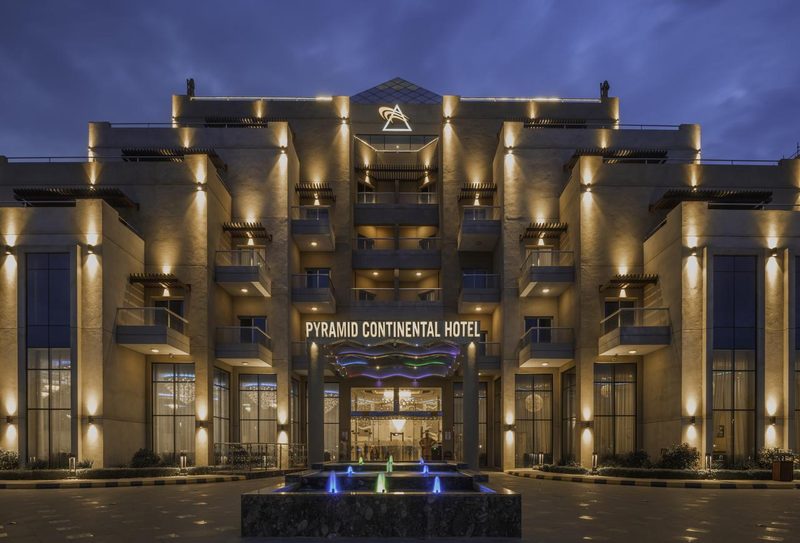
Where to Stay in South Sudan in April
Hand-picked hotels across price tiers for April travellers.
Public Holidays in April
Dates that affect opening hours, transport and crowds
Good Friday
Observed nationwide as a public holiday.
Holy Saturday
Observed nationwide as a public holiday.
Easter Sunday
Observed nationwide as a public holiday.
Easter Monday
Observed nationwide as a public holiday.
Packing Checklist
Bookmark this page — your progress is saved between visits
Need the full list with shopping links?
Climate-specific gear, brand recommendations, and what to leave at home.
View South Sudan Packing List →Essential Tips
Insider knowledge and common pitfalls to avoid
Insider Knowledge
Everyone asks whether South Sudan is safe. The honest answer is: parts of it, sometimes, with preparation. Juba and the sealed road south to Nimule are the most stable corridor in the country. Travel north of Bor, west of Wau, or into Upper Nile and Unity states requires current intelligence from diplomatic security briefings, not last month's travel blog. Register with your embassy before entering the country. The situation changes faster than any guidebook can track. The difference between a manageable trip and a dangerous one is often a matter of days or a shift in local politics that has no international coverage.
South Sudan's visa process requires a letter of invitation. For independent travelers, this typically means a letter from a registered guesthouse or a sponsoring organization. Apply at least six weeks ahead through the South Sudanese embassy accredited to your country. Arrive at Juba International Airport with printed copies of everything: the invitation letter, your visa, your yellow fever vaccination certificate (mandatory, not suggested), and your travel insurance details. Officials at immigration are generally professional but thorough. Having documents ready avoids unnecessary delays in a hot, crowded arrivals hall.
US dollars are the practical currency for visitors. Cash is king. ATMs in Juba exist but are frequently empty or offline. Bring enough physical USD for your entire trip in clean, post-2006 series bills. Older or marked notes are routinely refused. The South Sudanese pound fluctuates significantly, and the official exchange rate diverges from the street rate. Change money only at established exchange points in central Juba, never at checkpoints or with strangers. Credit cards are accepted almost nowhere.
The best meals in Juba happen in the compounds of established Ethiopian and Eritrean restaurants along the main commercial streets. Here injera replaces kisra and the spice palette shifts to berbere and mitmita. These kitchens have operated through every crisis the city has weathered. The food is consistently better than what international-style establishments serve. Ask your fixer or guesthouse host where they eat, not where they send guests. The answer is usually different. The second answer is usually better.
Avoid These Mistakes
Travelers underestimate travel times by a factor of three or more. The distance from Juba to Nimule is about 200 km (124 miles), which sounds like a three-hour drive. In April, with rain-softened roads, checkpoints, and occasional vehicle recovery blocking the single lane, it regularly takes six to eight hours. Every journey in South Sudan takes longer than the map suggests. Building two to three buffer days into any itinerary outside Juba is not cautious planning. It is minimum realism.
Never photograph military installations, checkpoints, bridges, or uniformed personnel. This will result in detention, confiscation of your camera, and potentially much worse. The rule is absolute and enforced without warning. Even pointing a camera in the general direction of a checkpoint can trigger a confrontation. When in doubt, keep the lens capped. Always ask permission before photographing civilians, in the cattle camps. Accept a refusal without argument.
Never arrive without antimalarials or assume you can buy them locally. South Sudan has one of the highest malaria transmission rates in the world. April's rains intensify mosquito breeding. Pharmacies in Juba stock antimalarials inconsistently, and quality control on locally available medication is unreliable. Start your prophylaxis course at home. Bring the full supply. Take it without skipping doses. This is the single most important health decision of the trip.
Ready to plan your trip to South Sudan?
Now that you've got the research covered, here's where to go next.
Explore More Activities in South Sudan
Didn't see anything interesting yet?
Browse Viator's full catalog of tours, day trips, food experiences, and private guides in South Sudan.
See All South Sudan Tours on Viator